

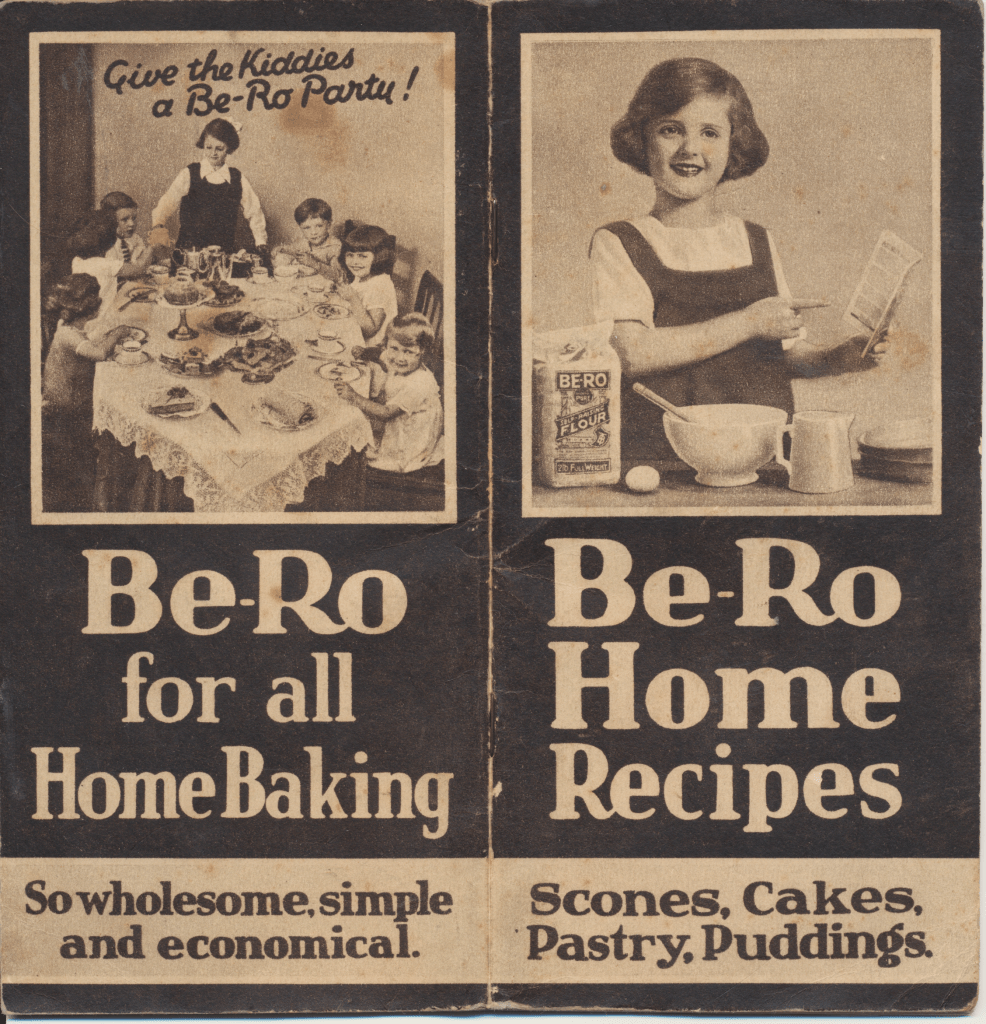
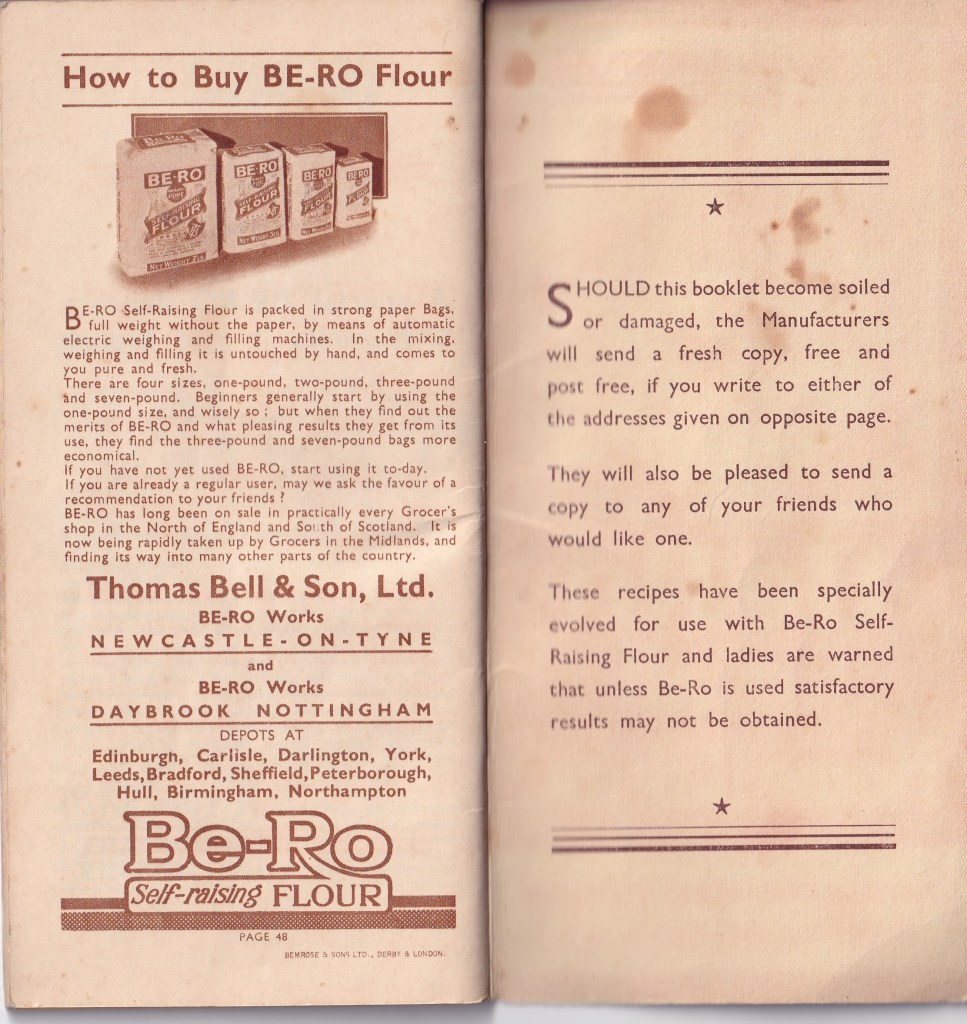
In the early 1920s, plain flour was the flour most commonly used. Self raising flour was considered a novelty – consumers bought plain flour direct from the miller and self raising flour was only sold into independent grocers. In a bid to make self raising flour more popular among the general public, the company staged a series of exhibitions in the early 1920s where freshly baked scones, pastries and cakes were sold for a shilling to visitors.
These were so popular that people demanded that they had copies of the recipes so that they could bake the dishes at home. As a result a free recipe book was produced and handed out at the exhibitions as well as door to door. The Be-Ro cookbook contained recipes to feed hungry families on a very low budget.
The first Be-Ro book was published in 1923. It was aimed squarely at women and their daughters.
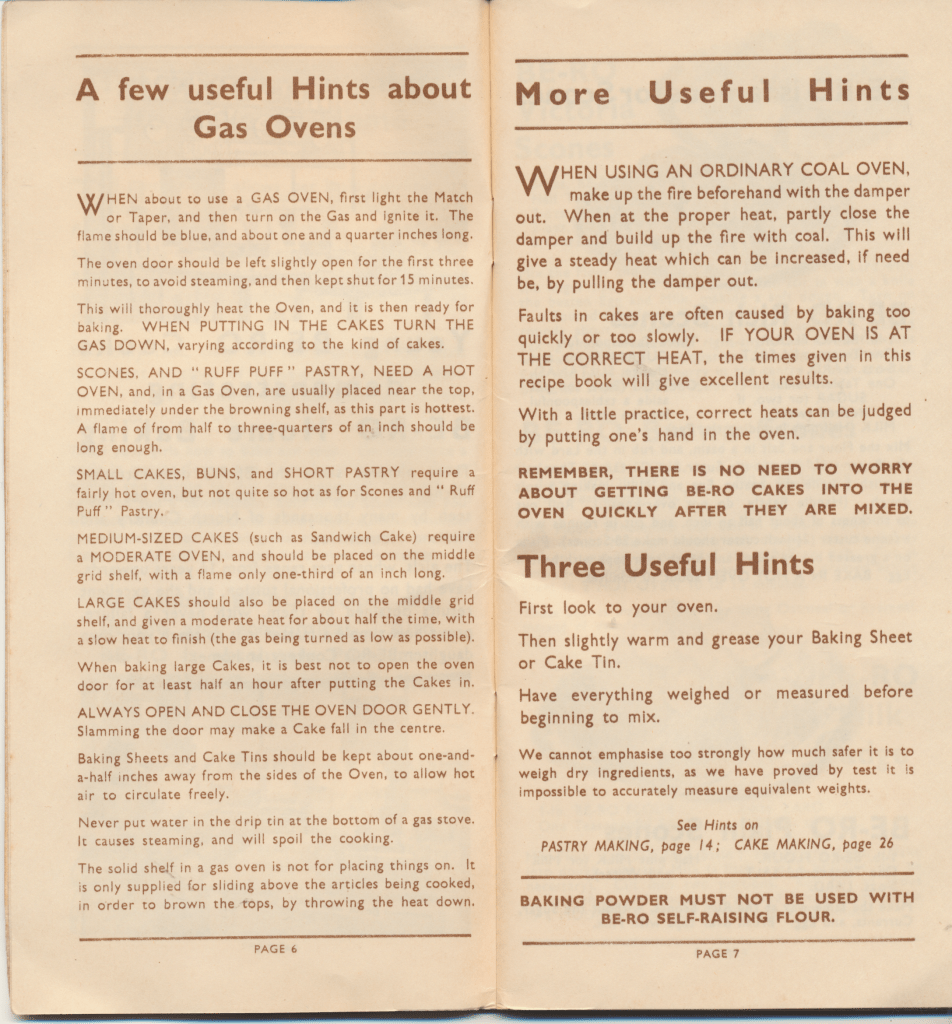
(Source: https://flashbak.com/be-ro-home-recipes-scones-cakes-pastry-puddings-a-1923-cookbook-primer-41260/). Notice the emphasis in the literature on becoming a better housewife at a young age by using Be-Ro products as well always using a “HOT OVEN” as opposed to an oven set at a particular temperature.
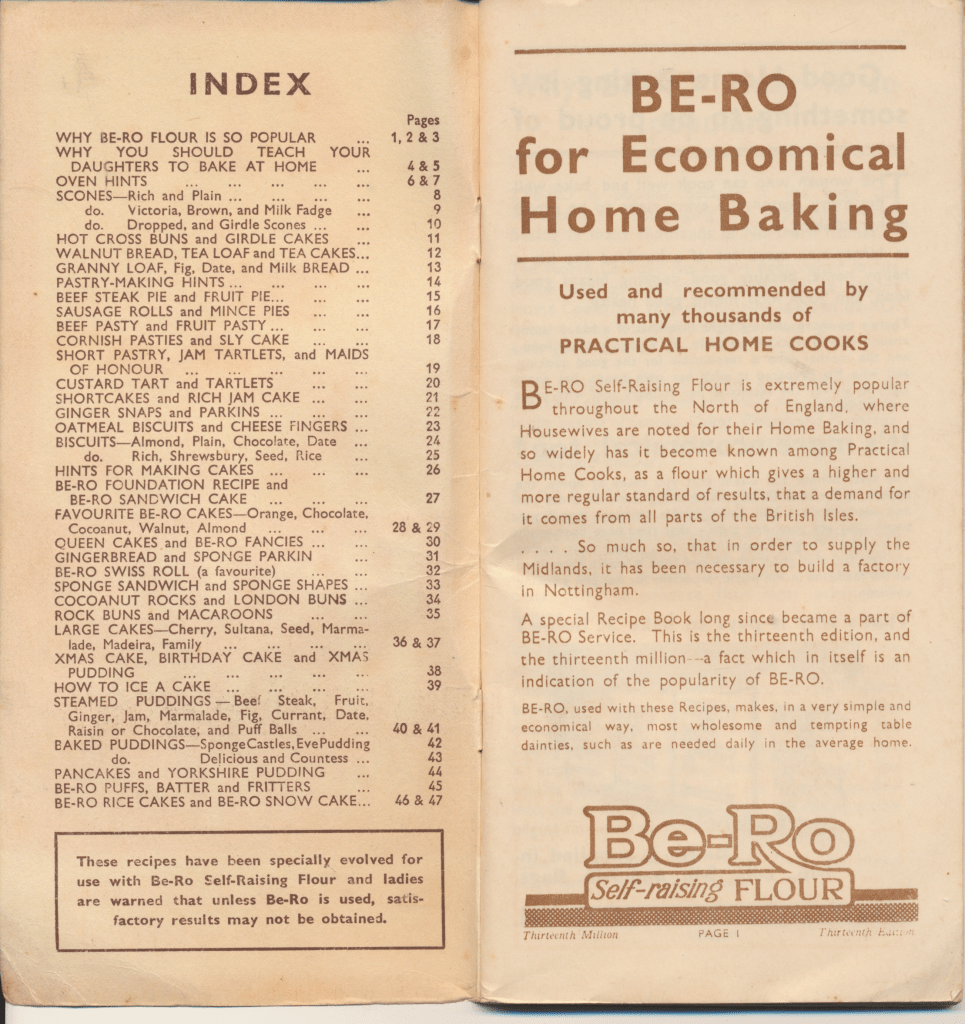
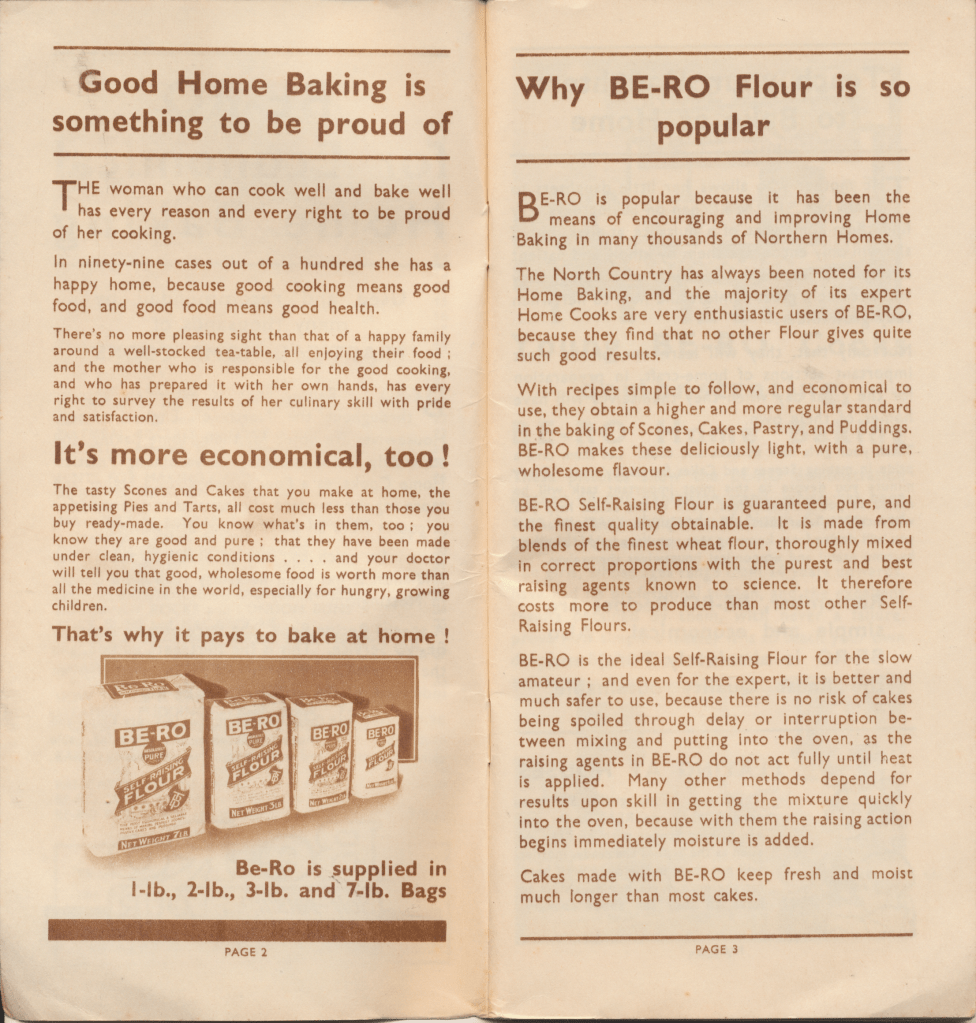
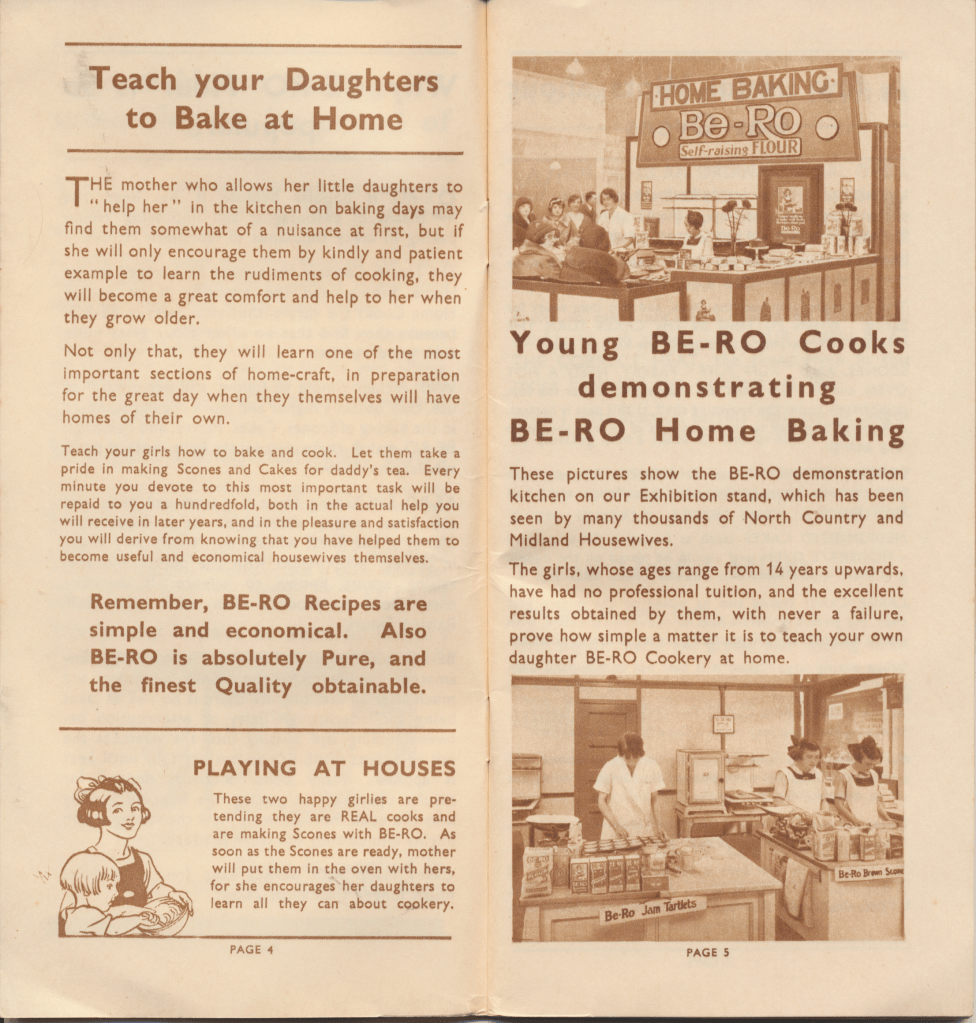
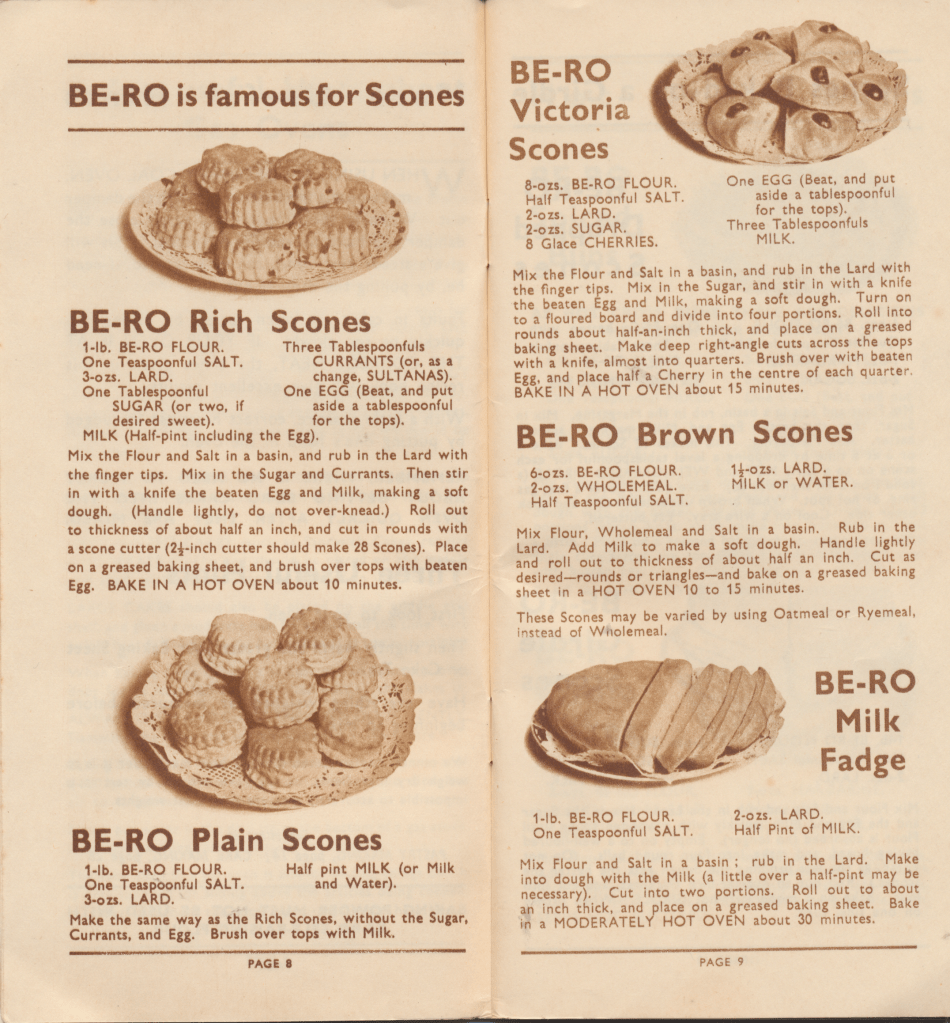
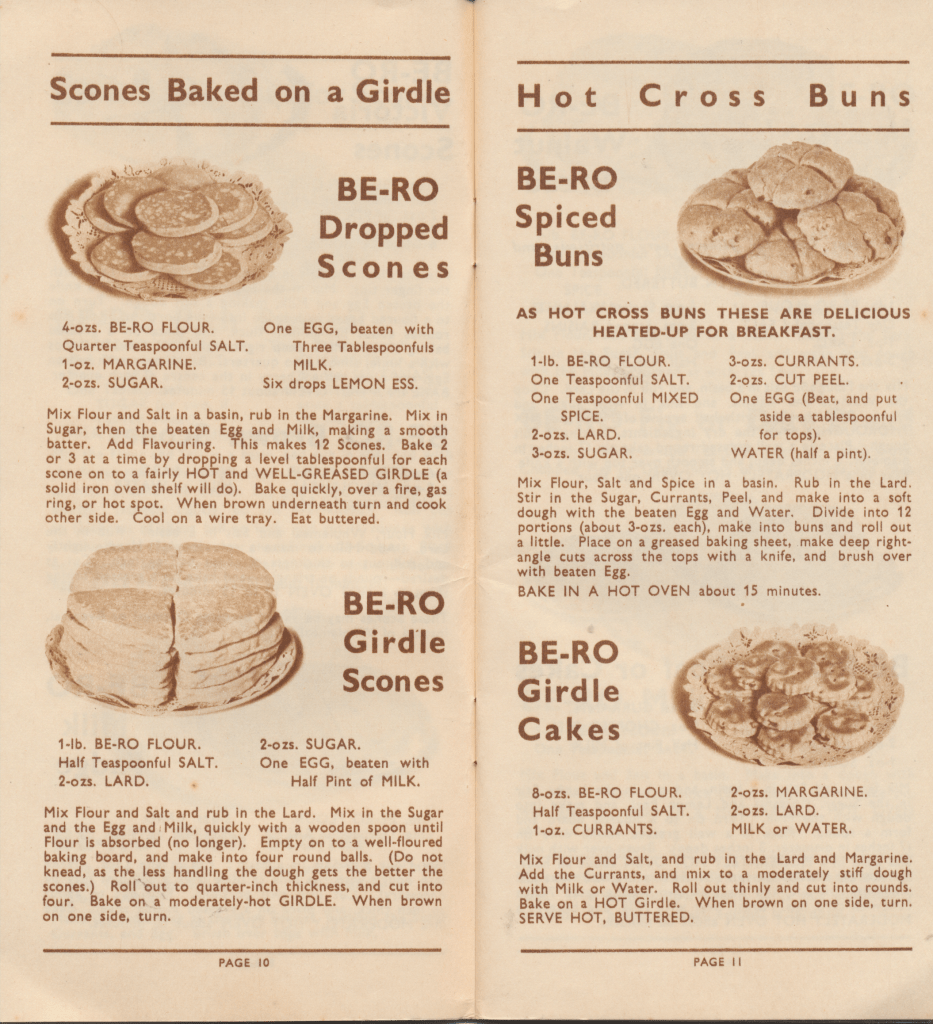
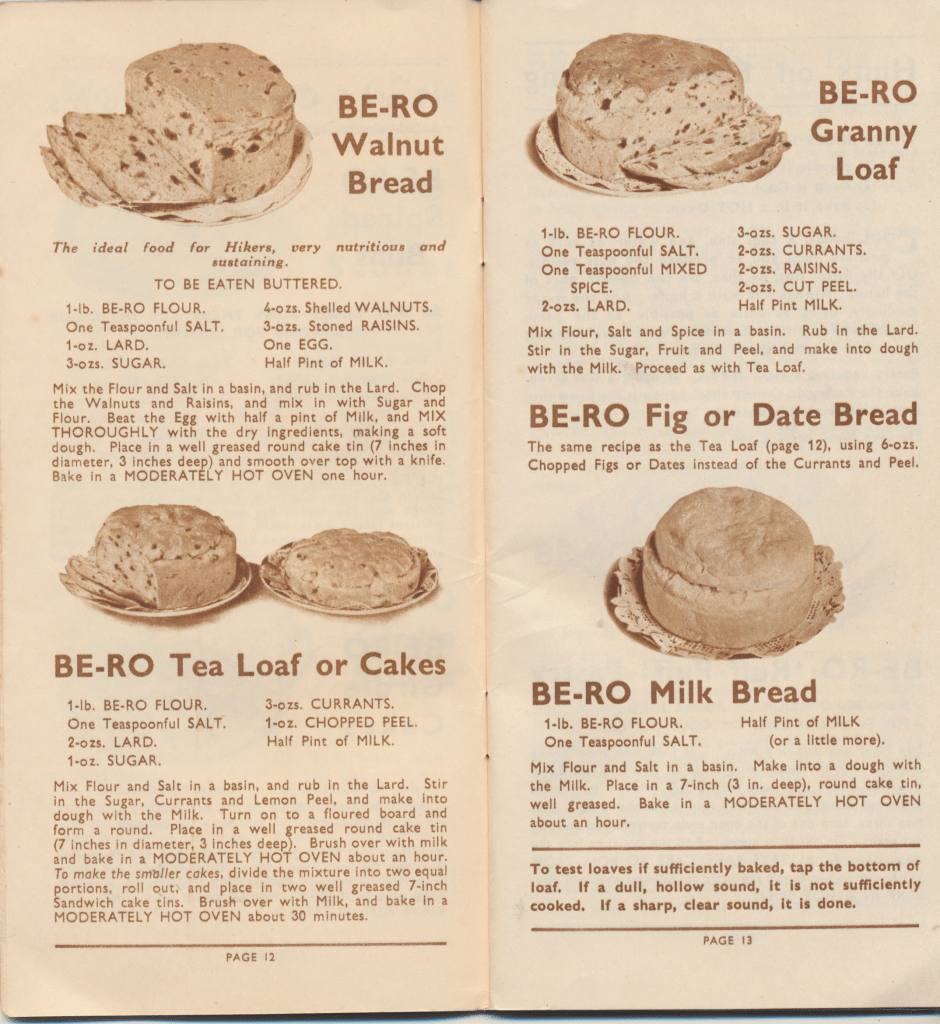
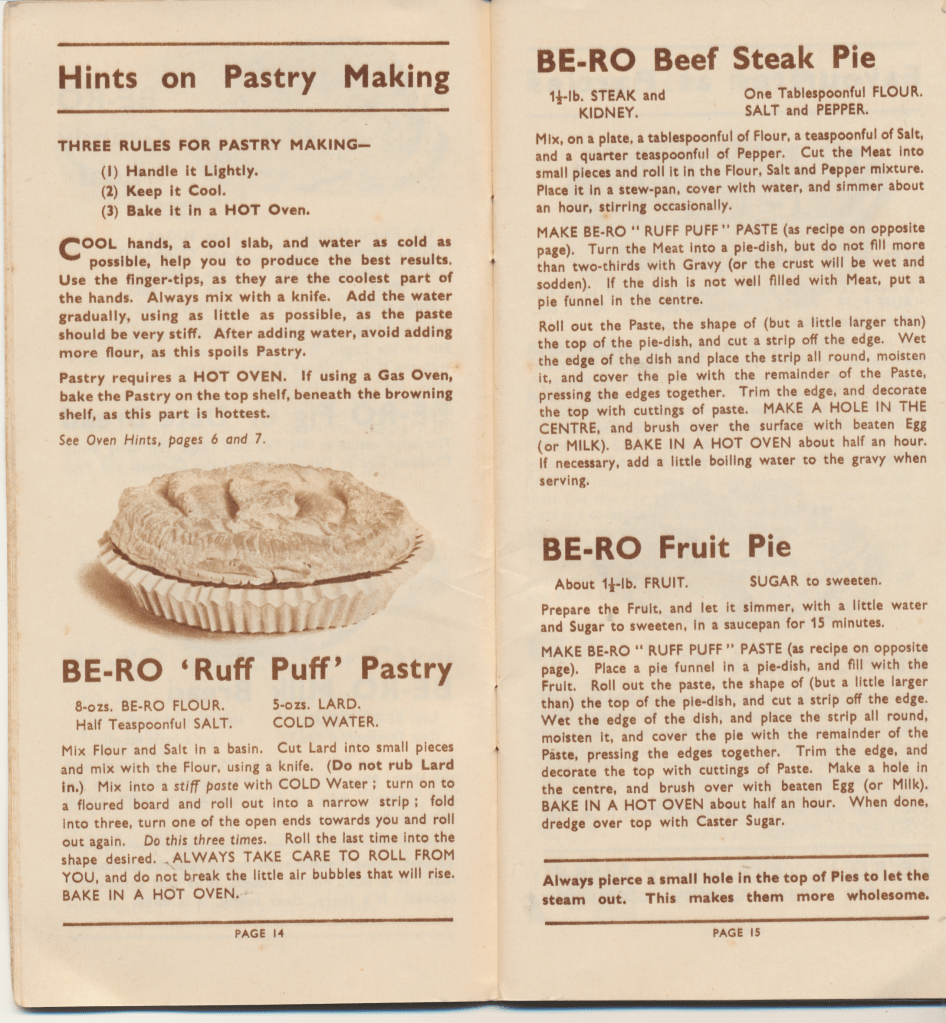
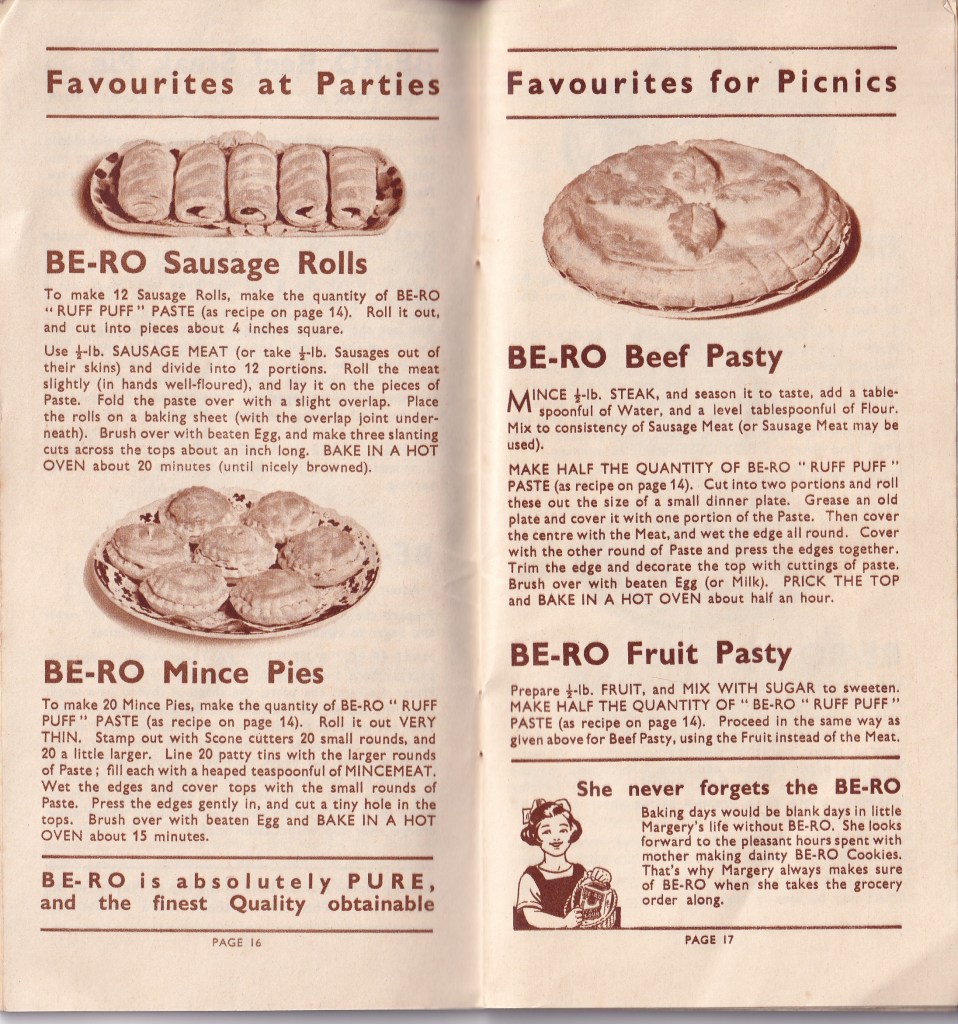
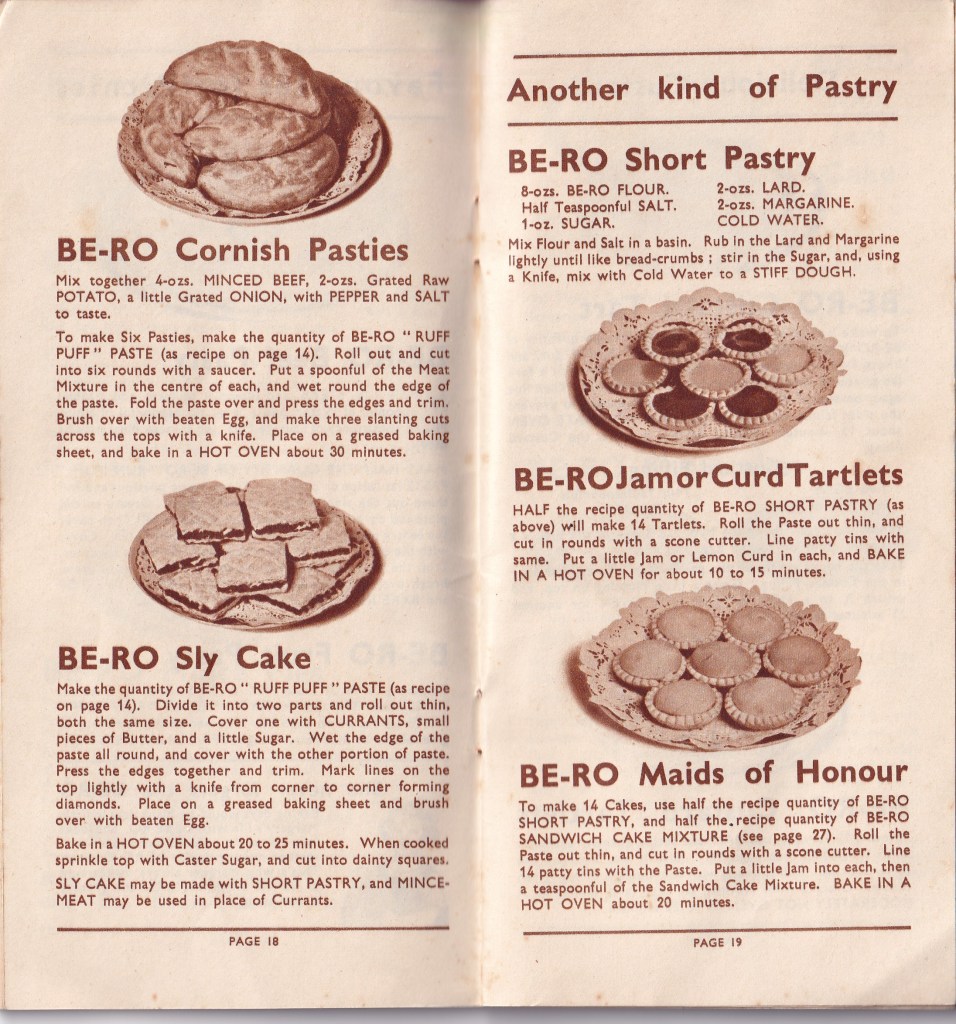
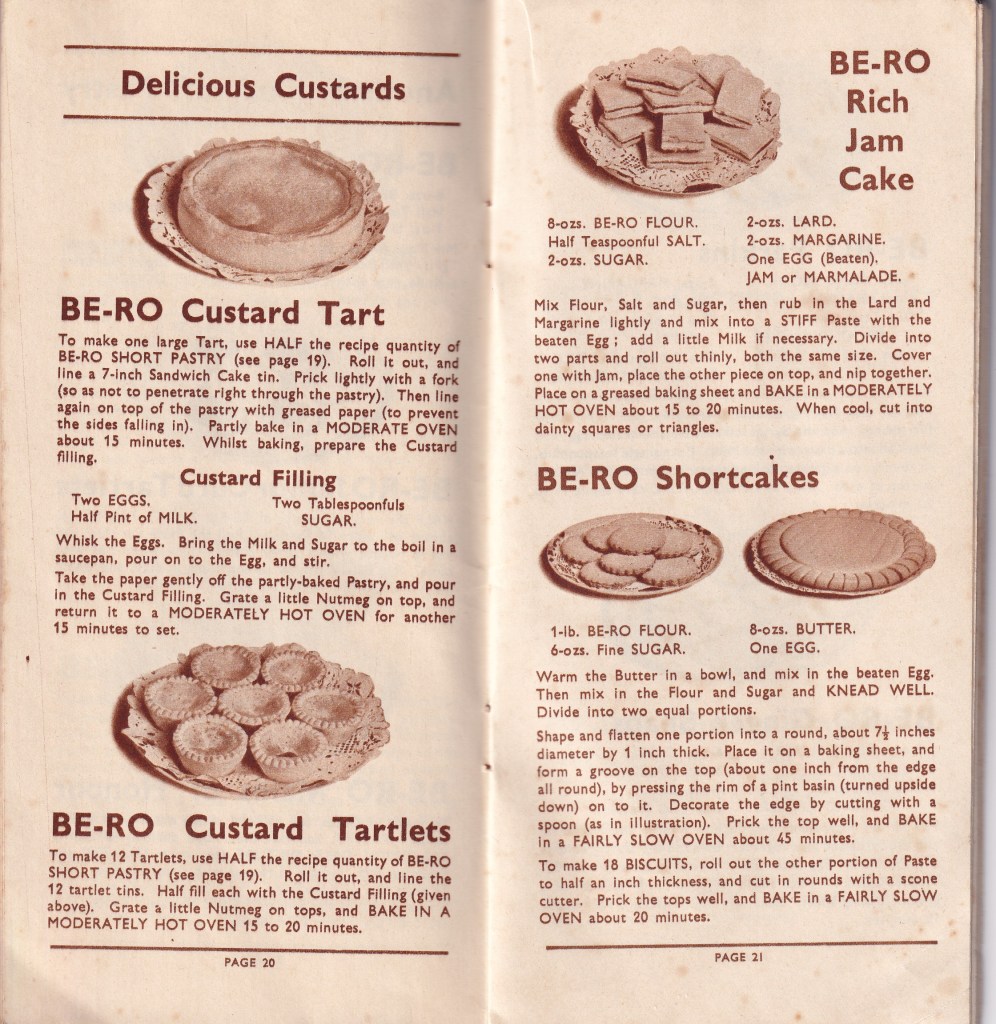
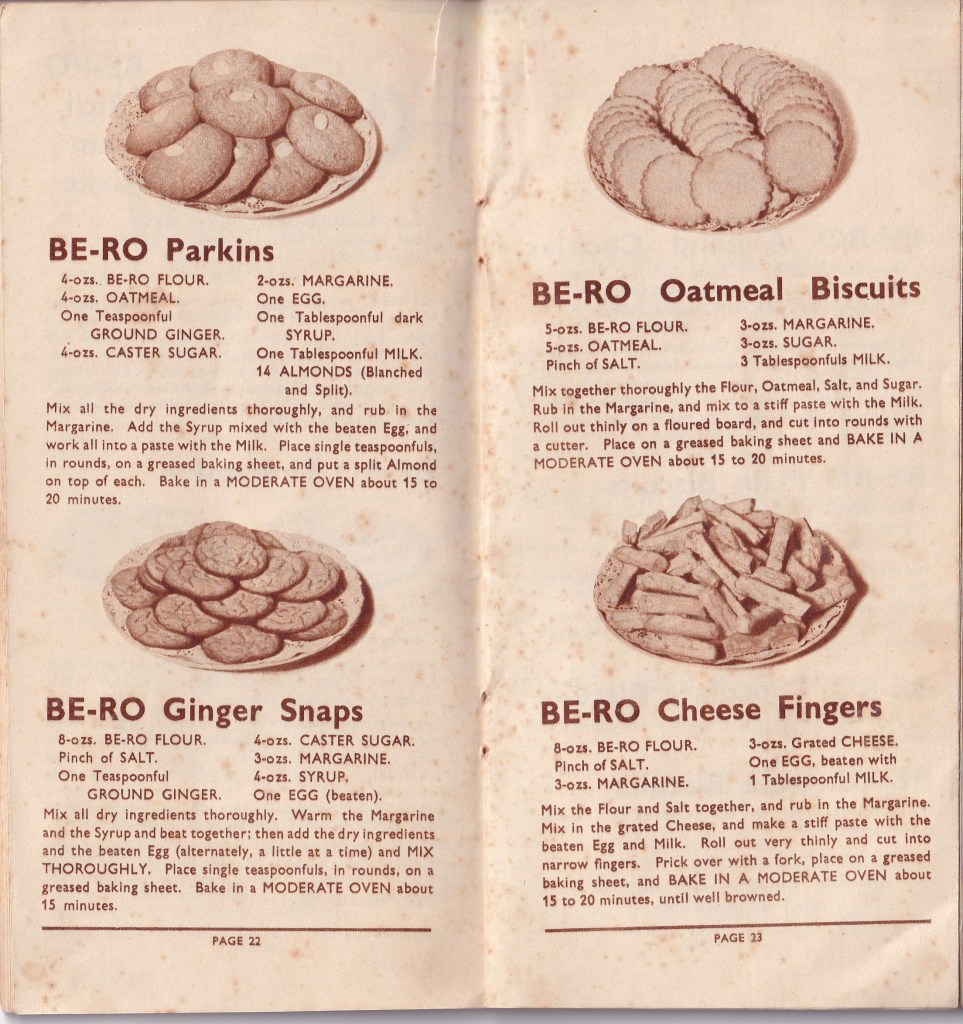
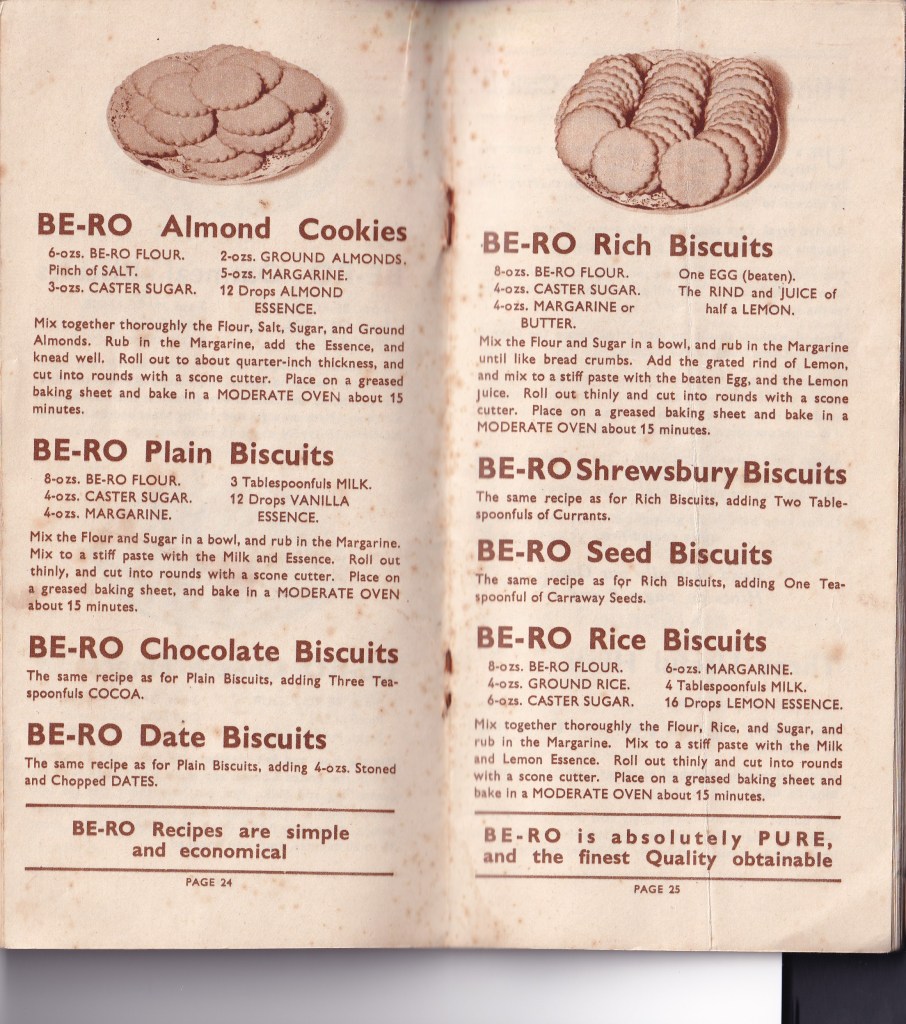
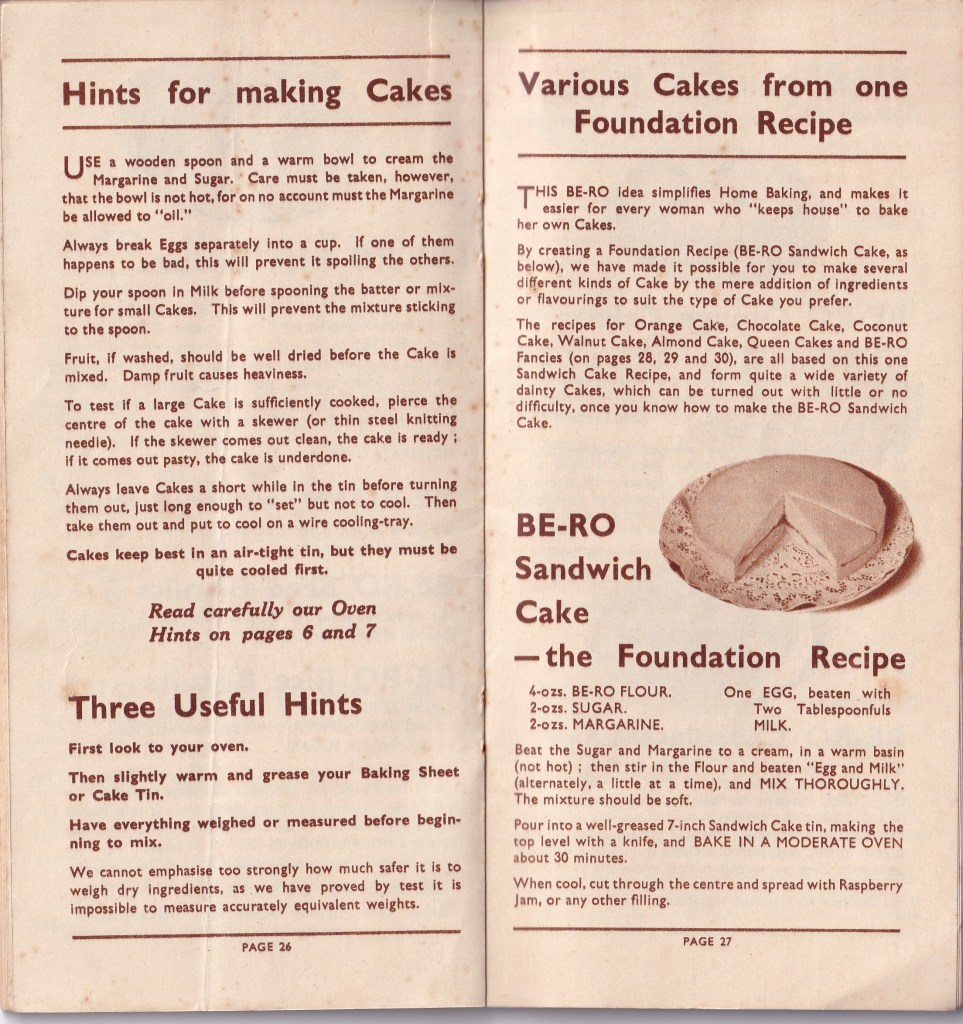
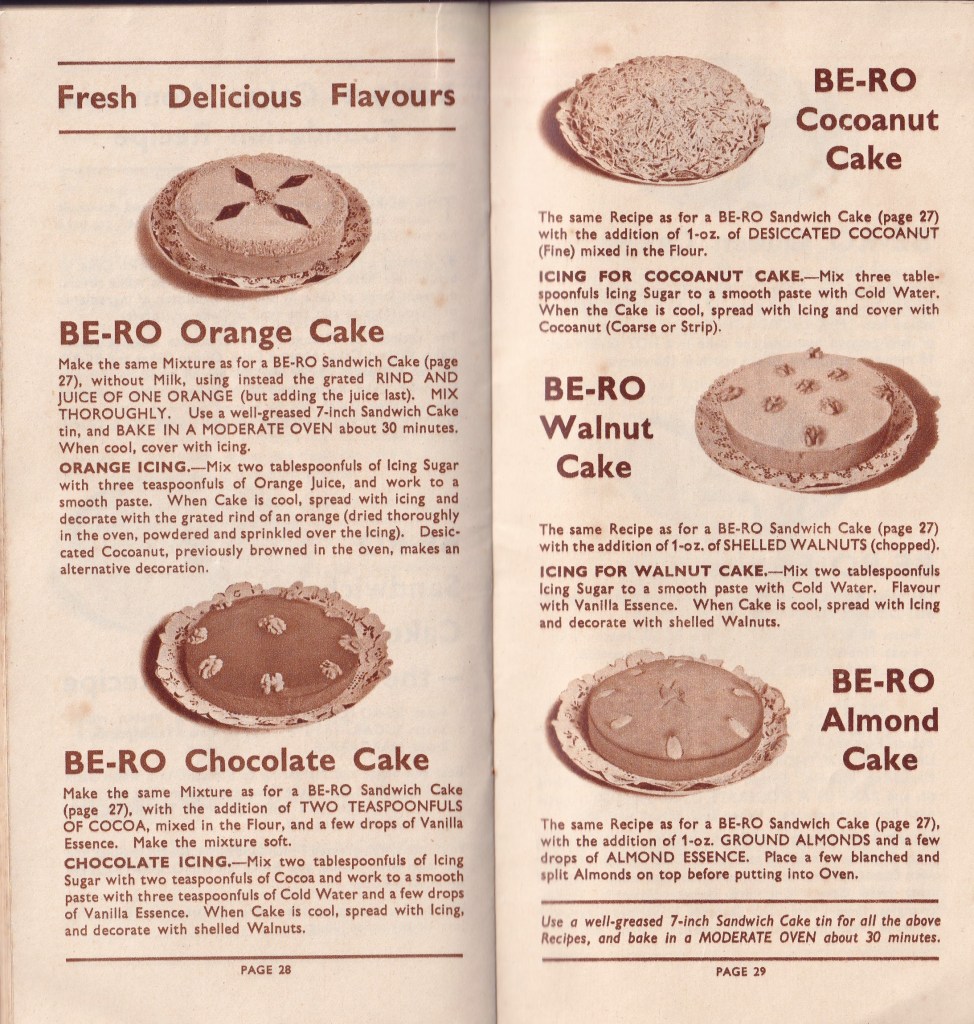
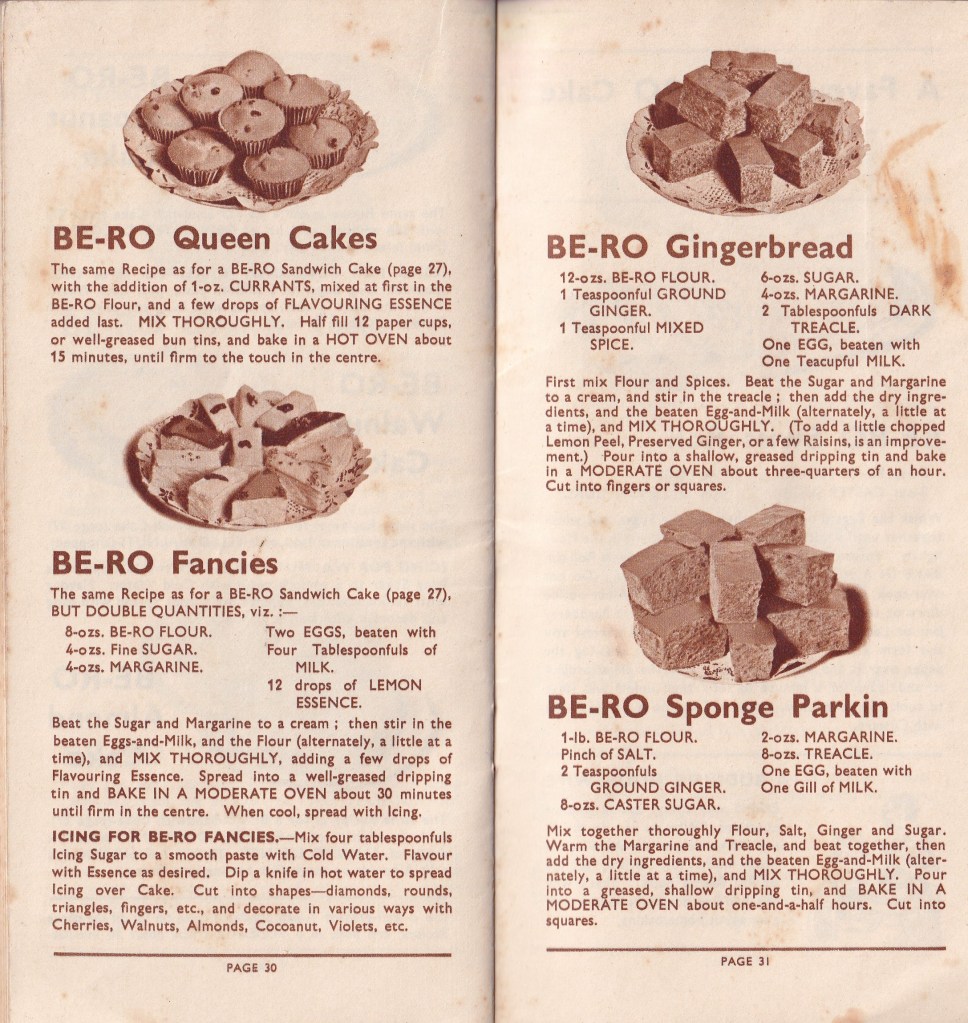

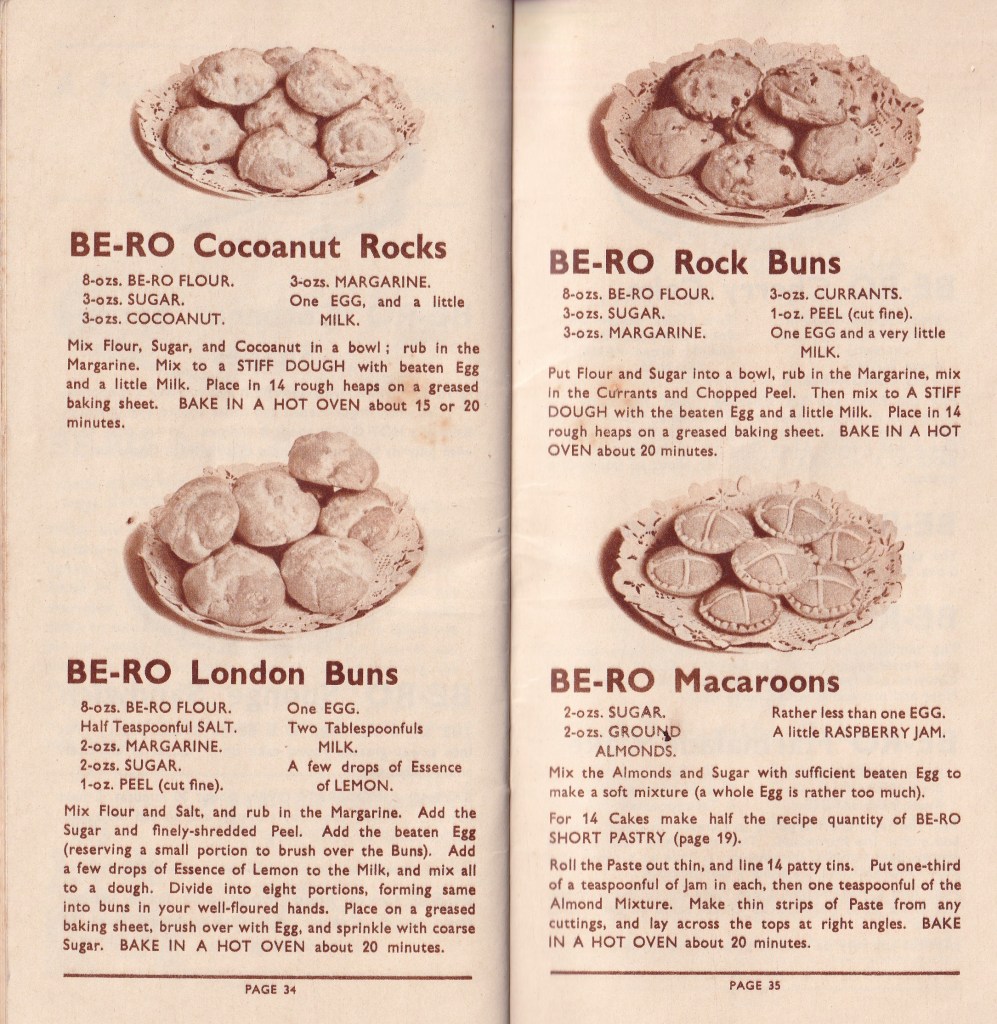
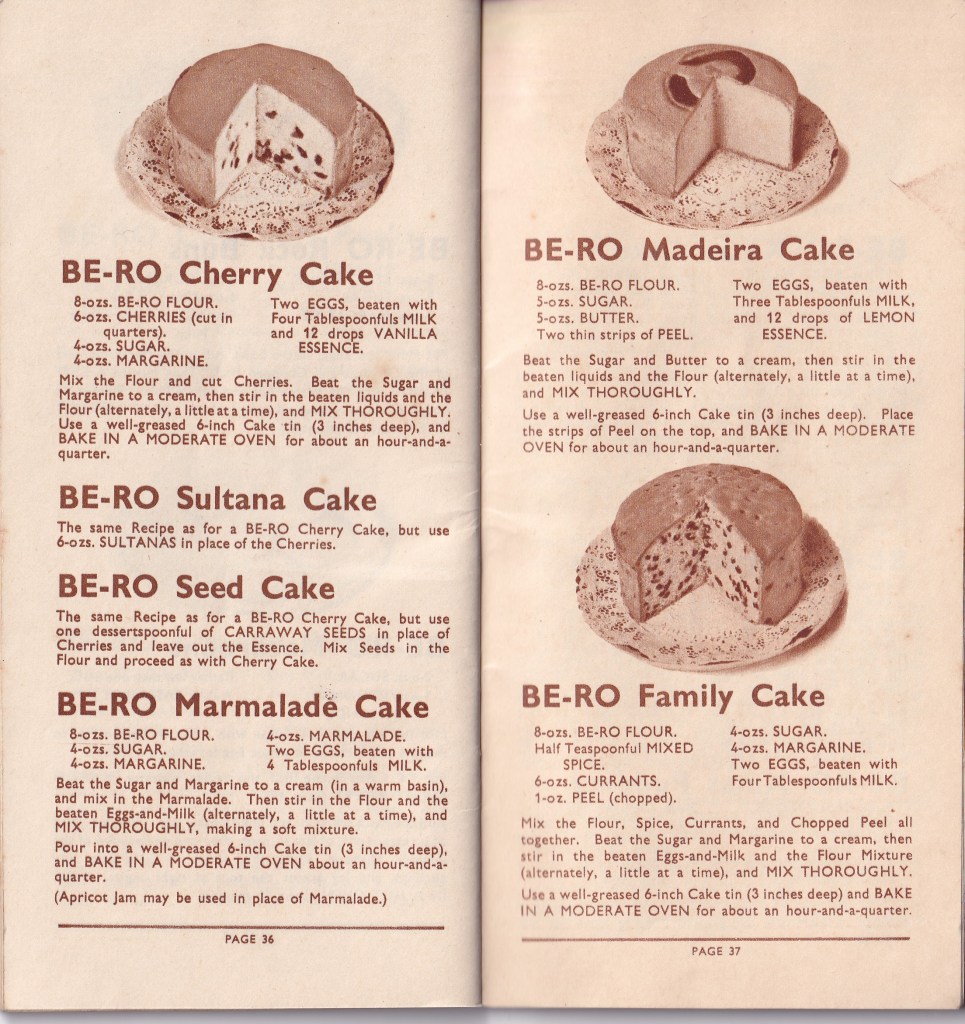
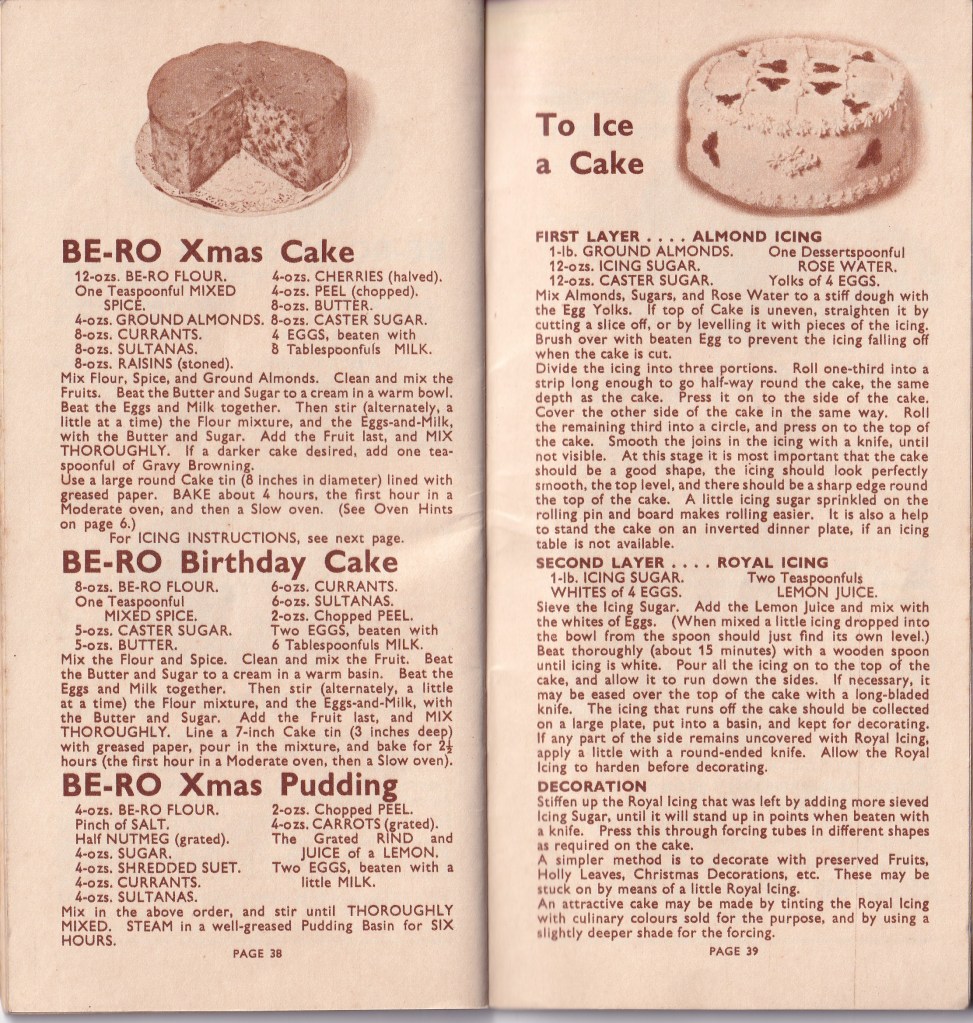
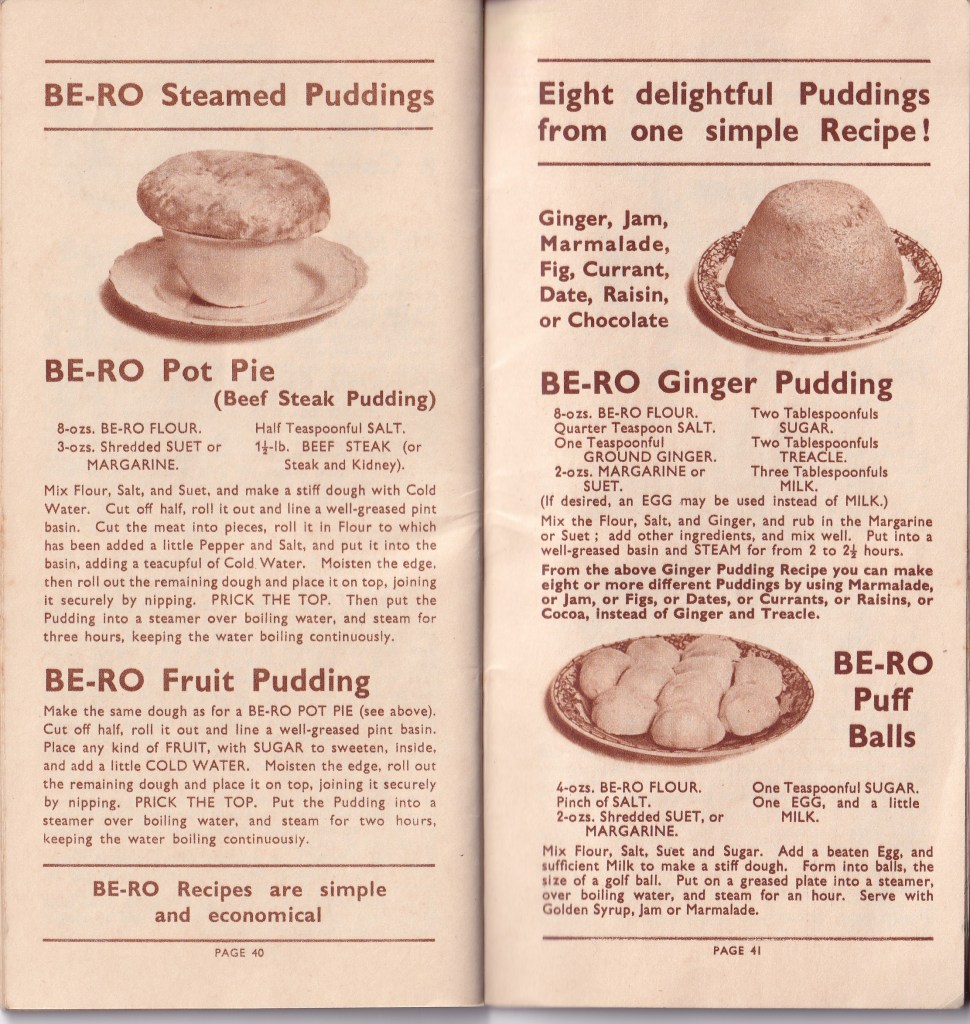
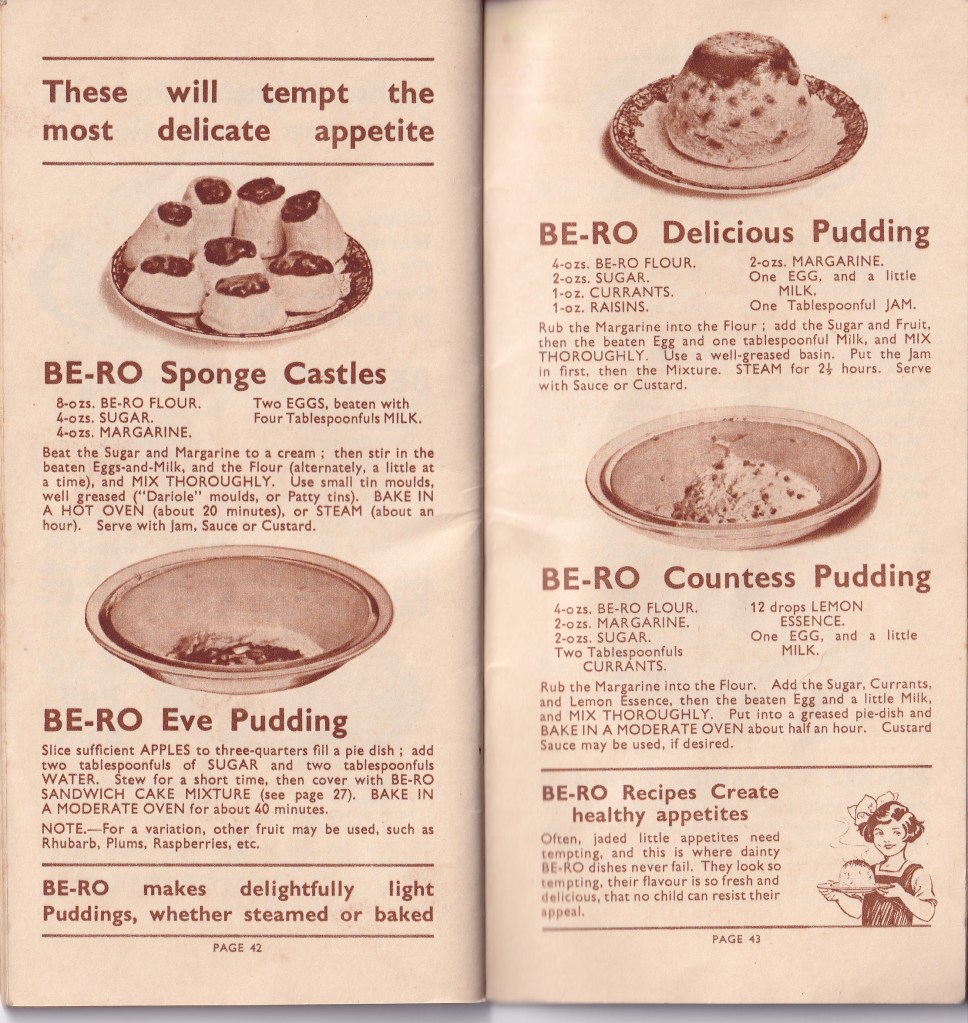
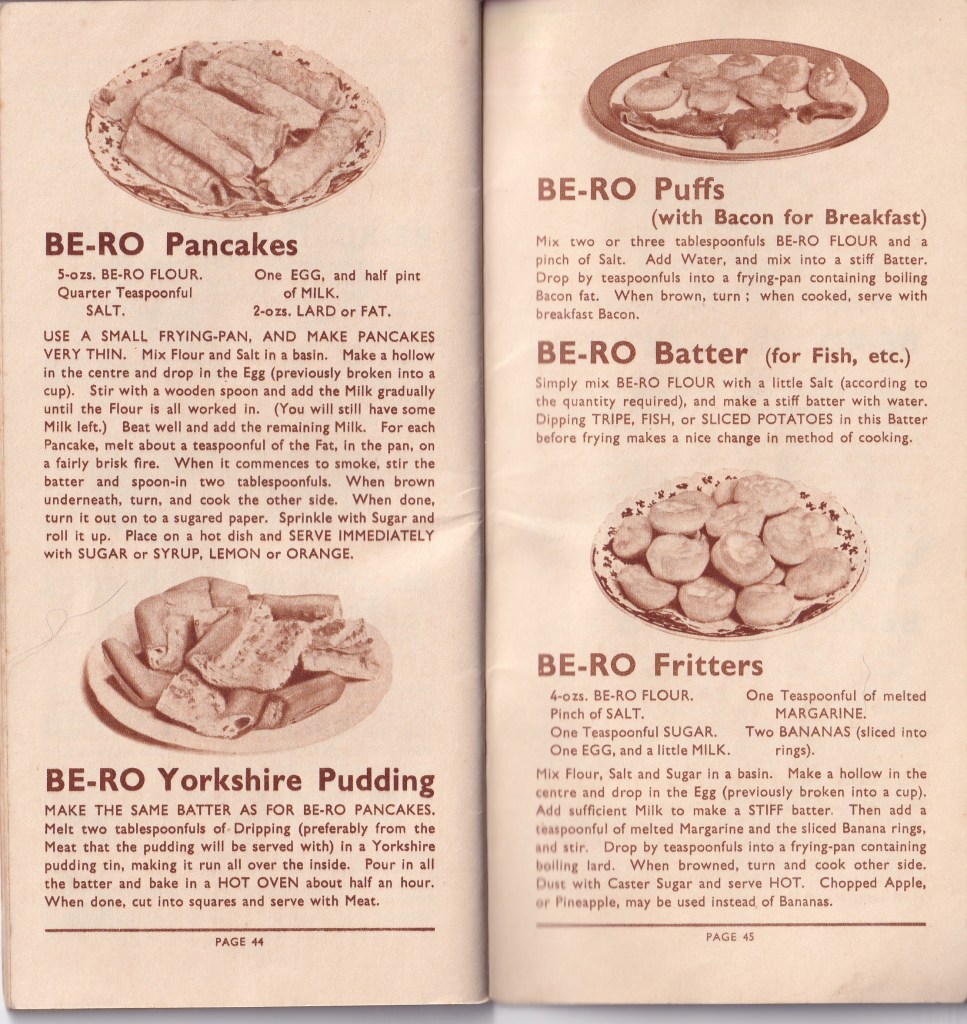
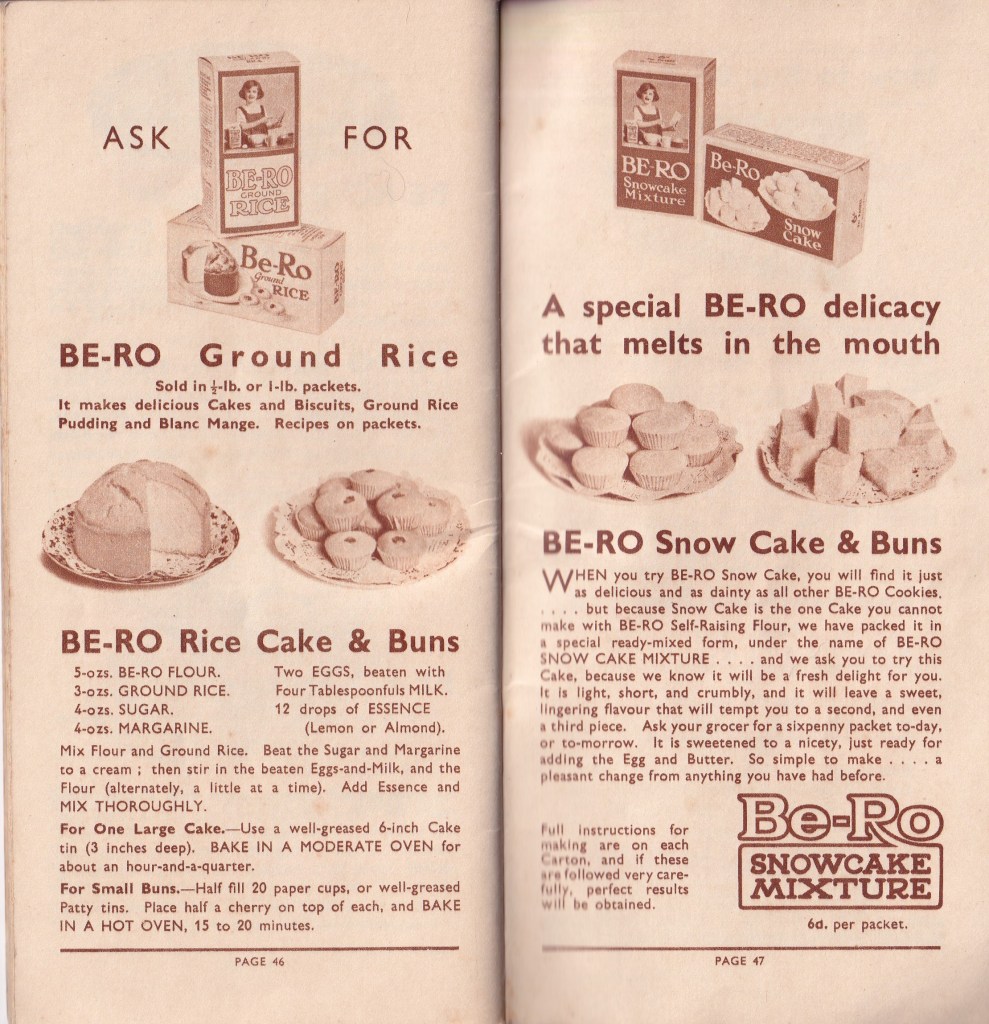
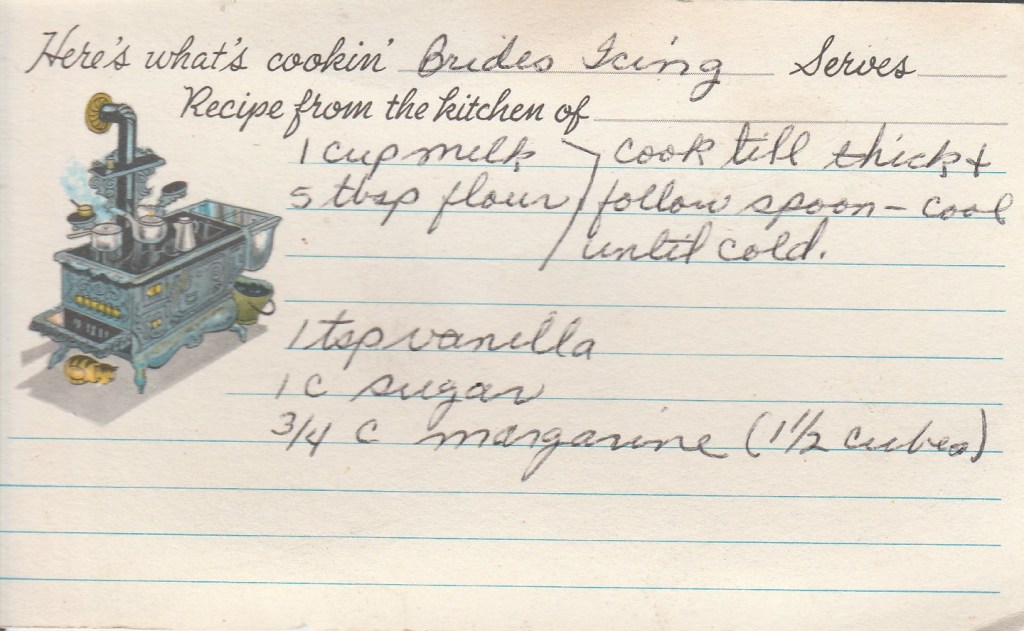
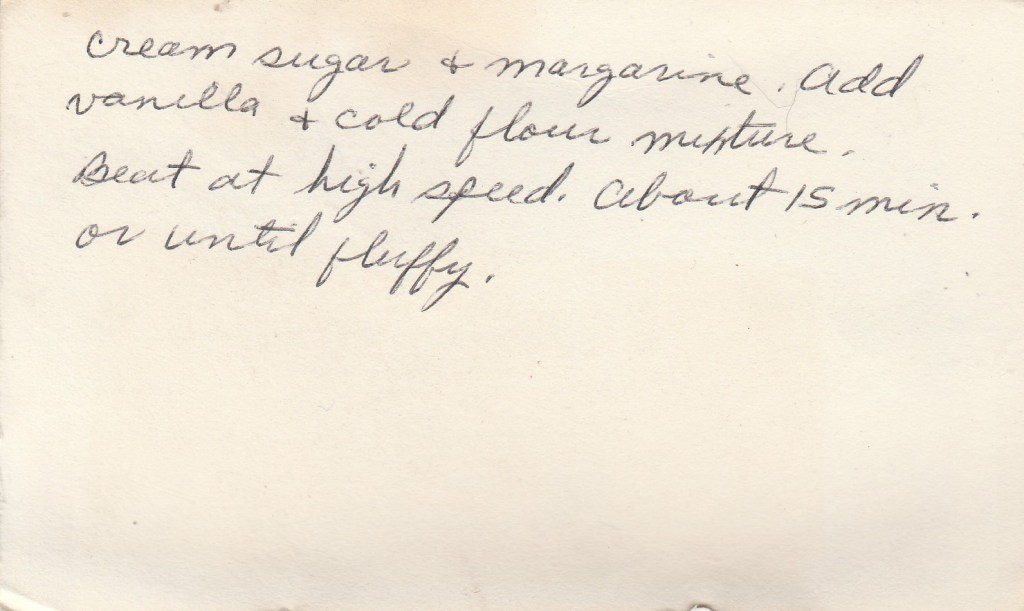
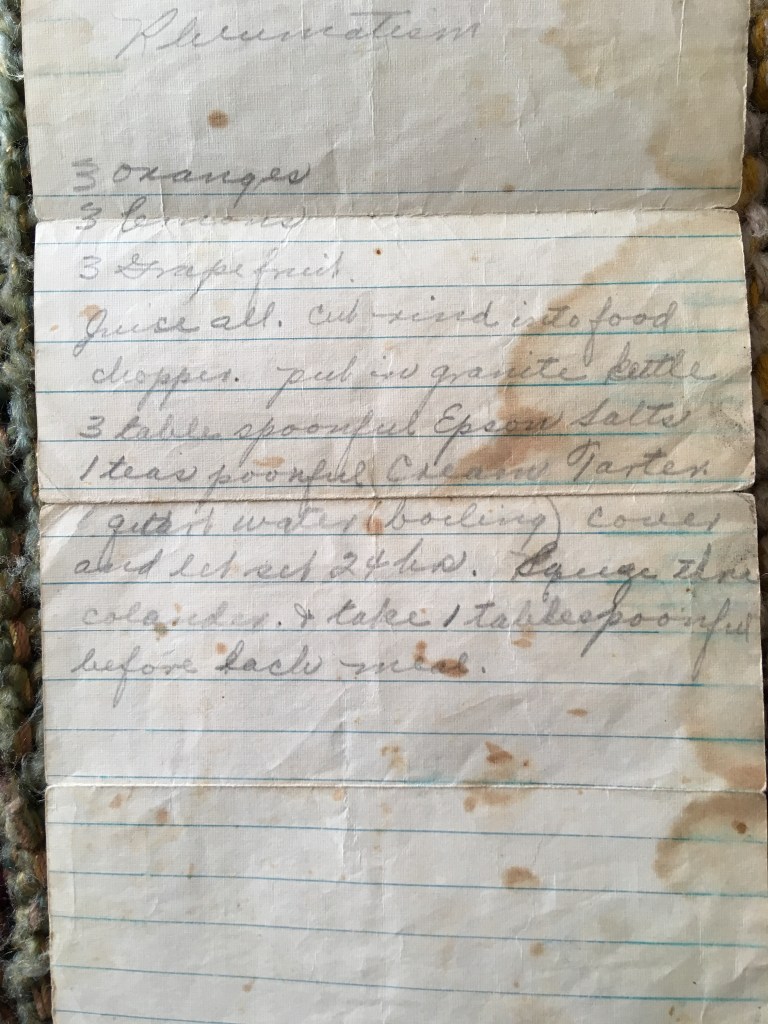
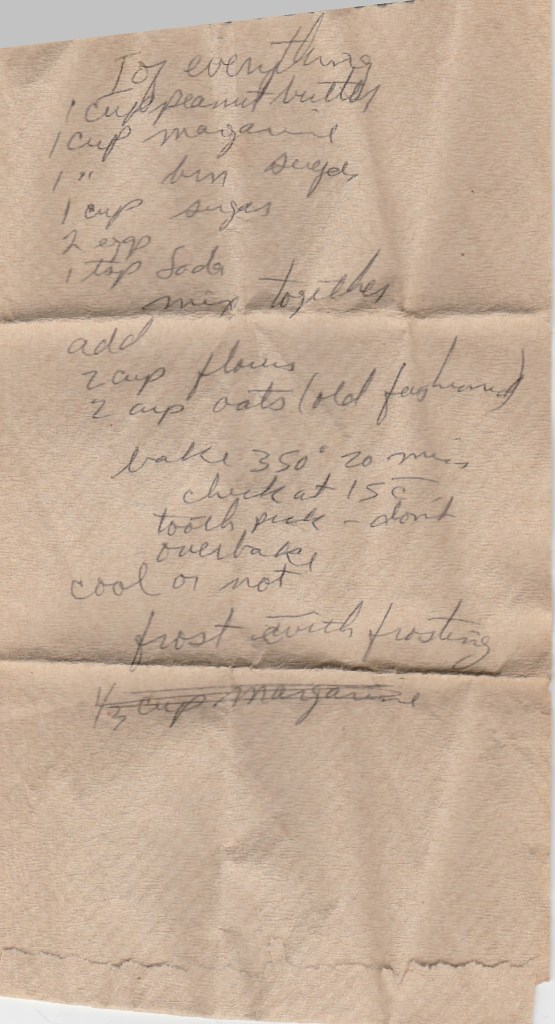
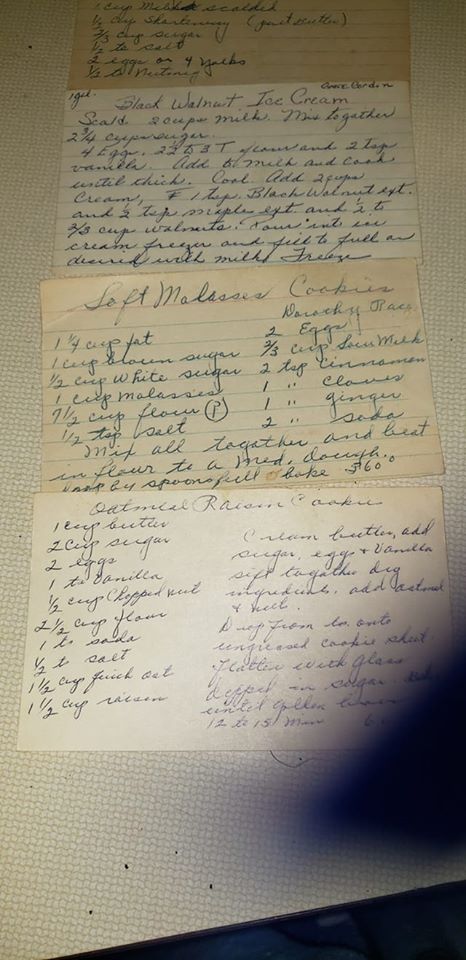
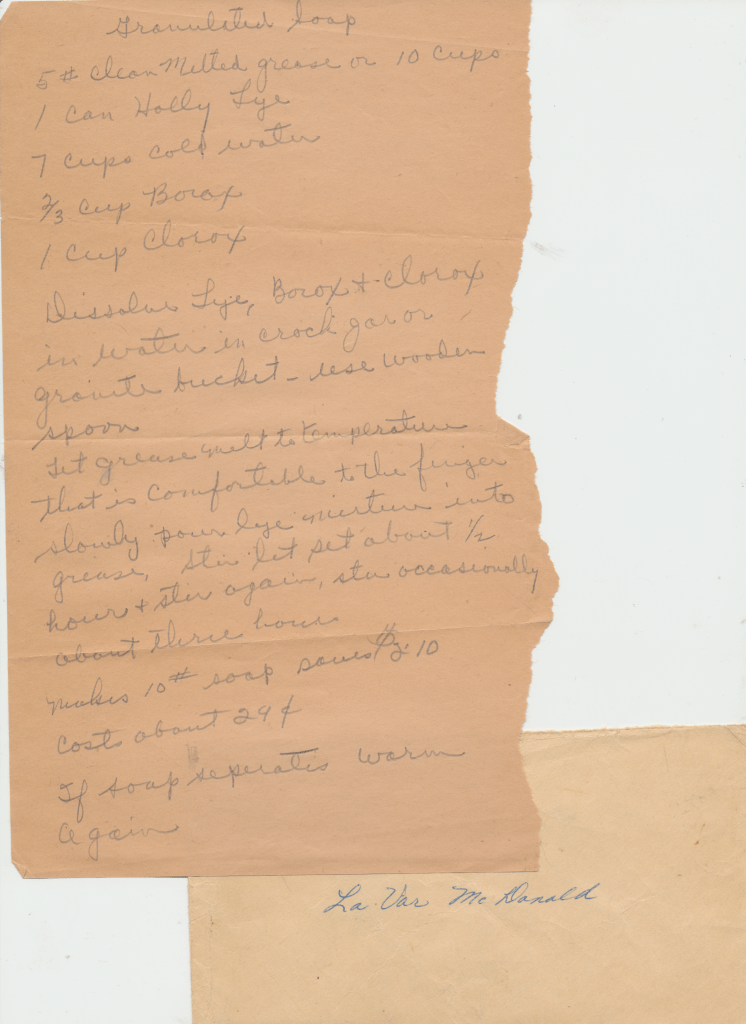
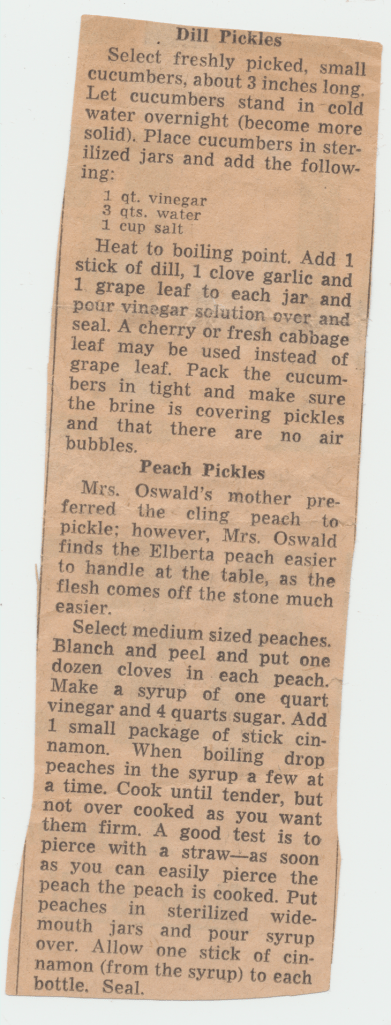
Peering into these recipes is close to taking a glimpse into the kitchen of long ago. One gets to view, not only the hand-writing, but the thoughts of the author at the time. The substitutions…why?
 Angel Prairee