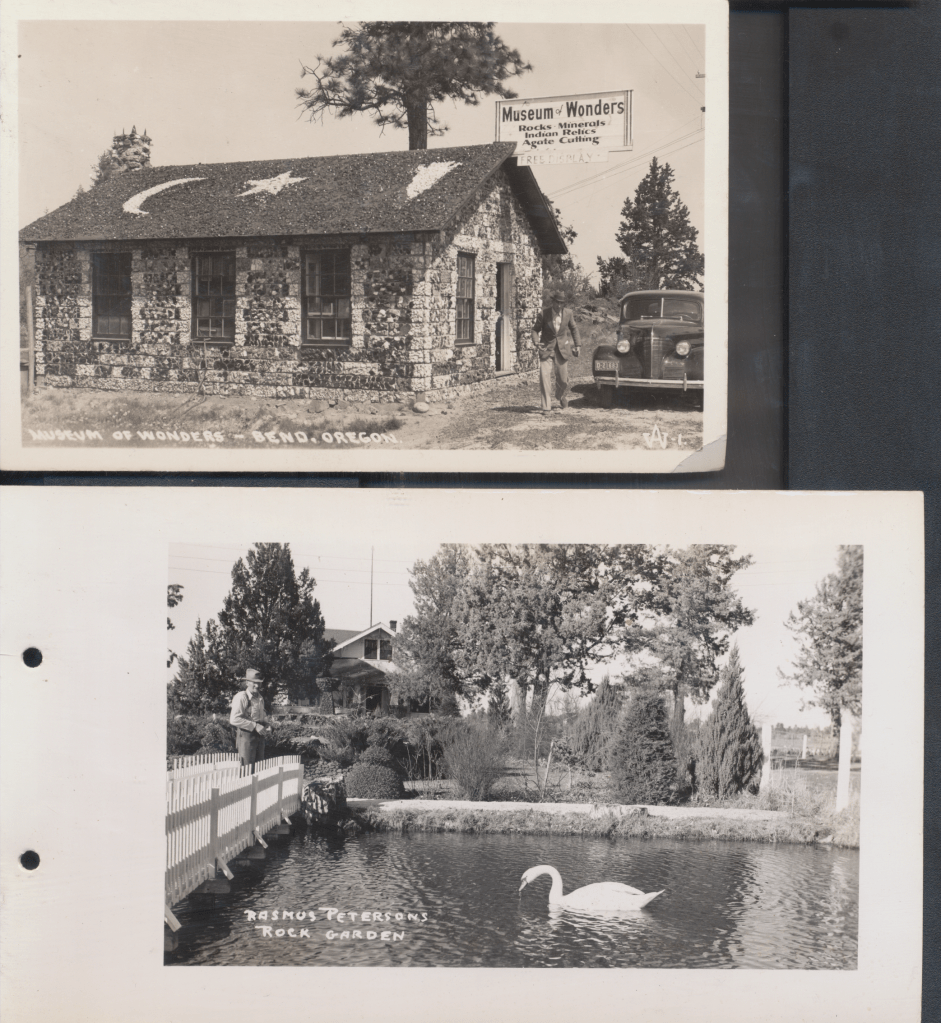
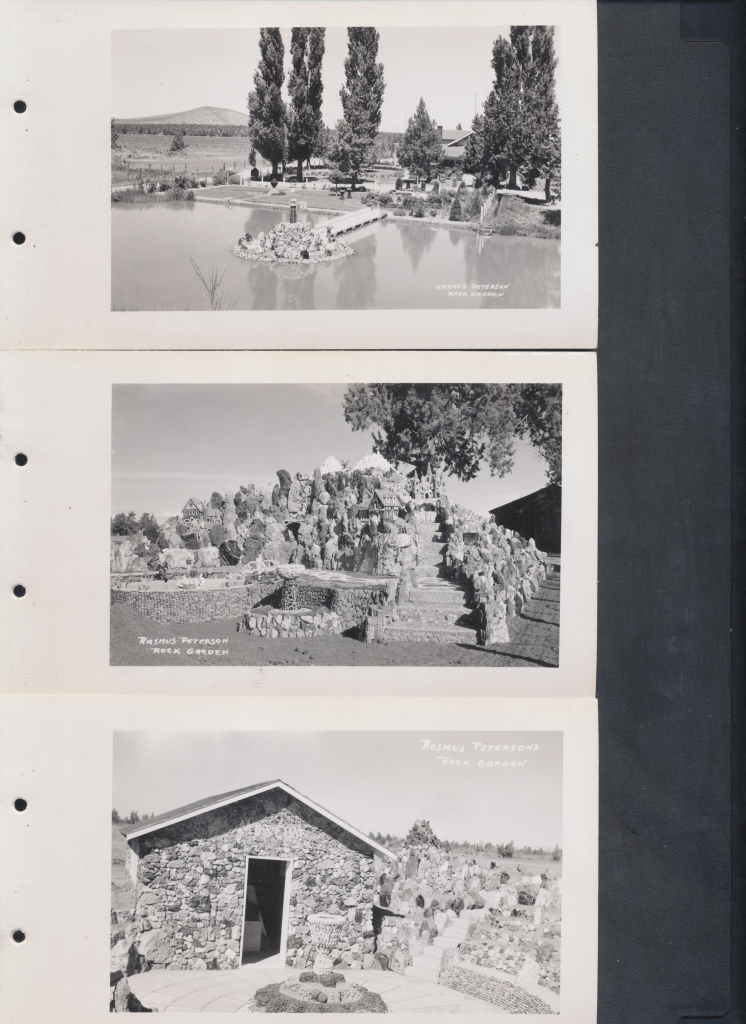

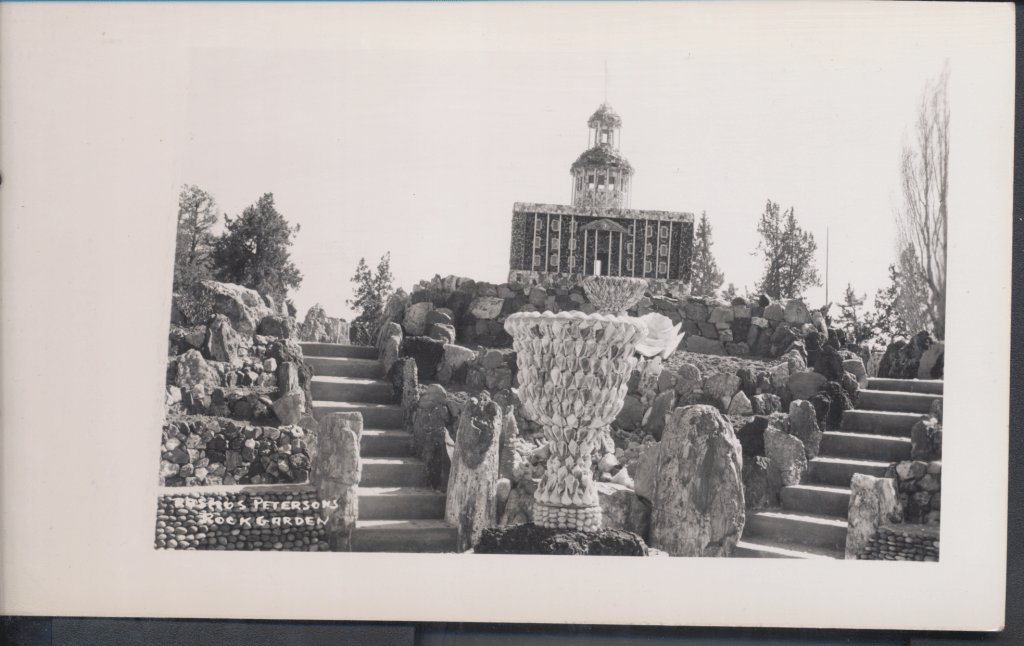
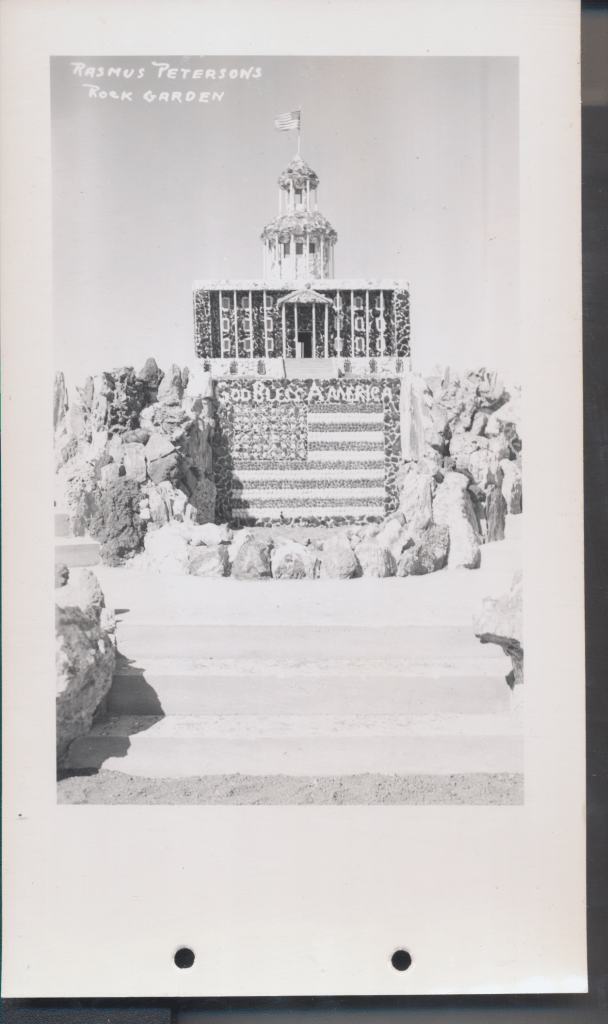
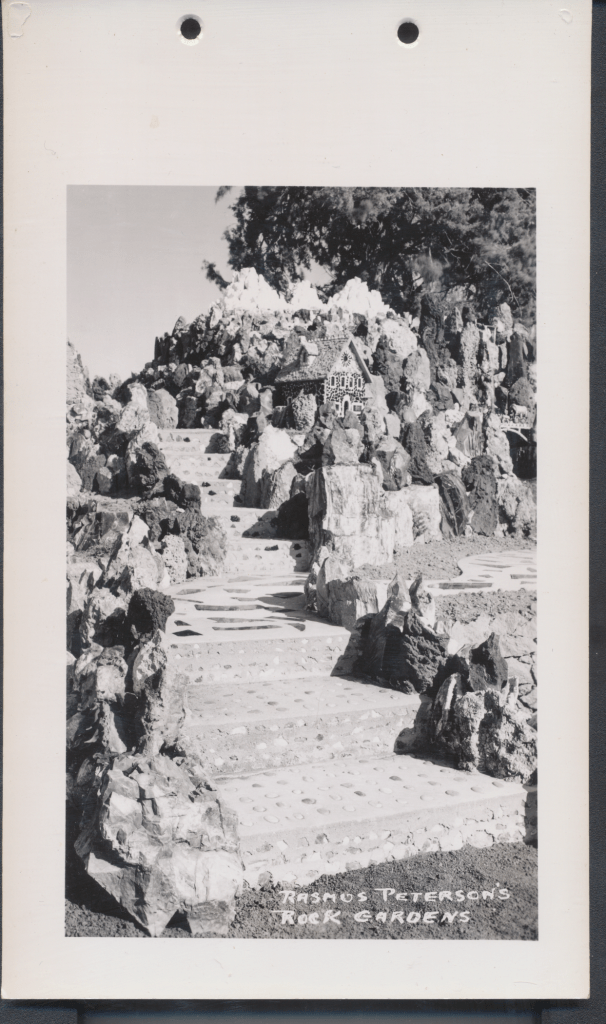
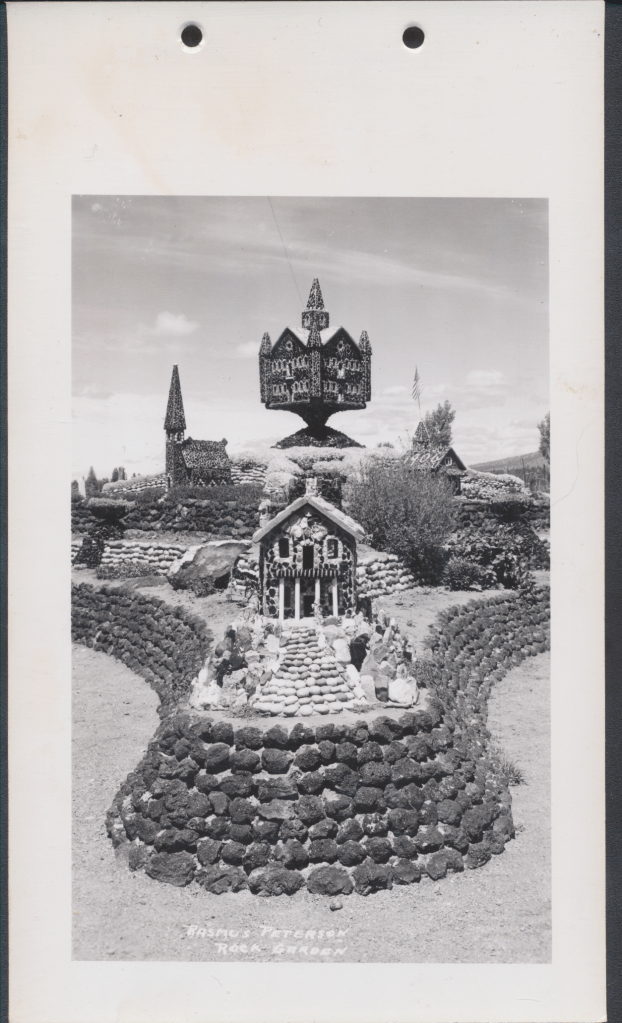
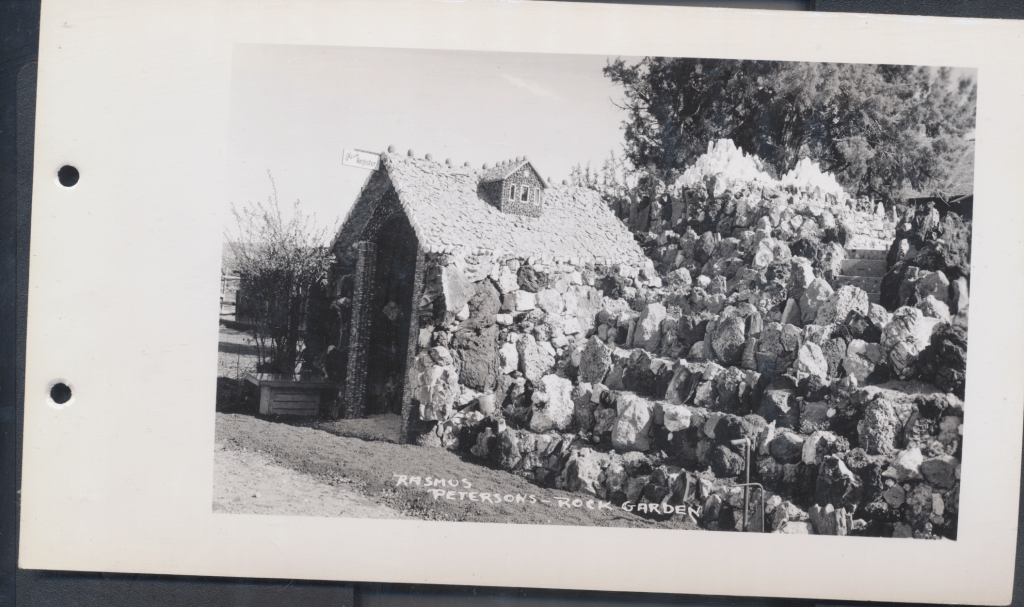
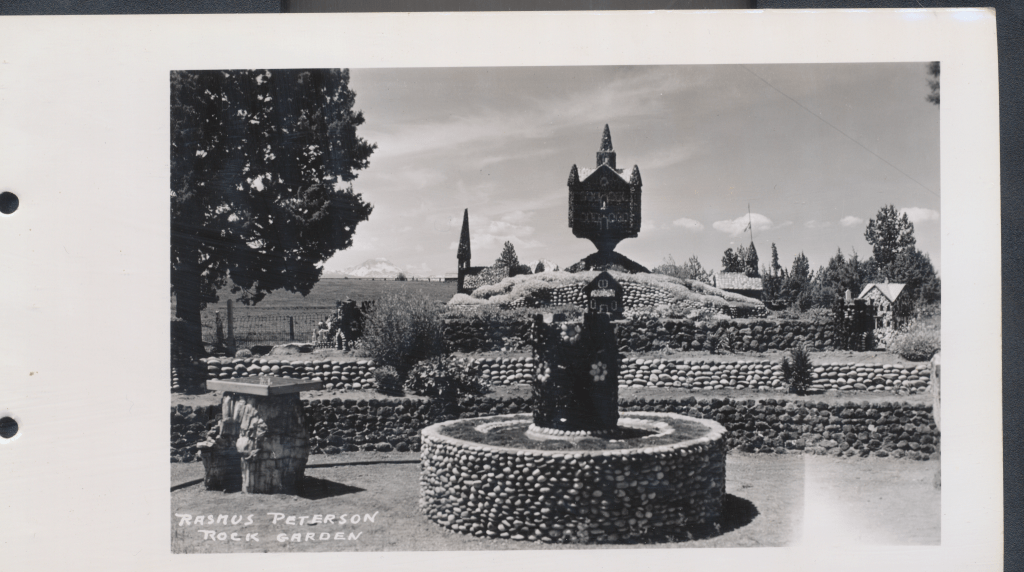
Petersen Rock Garden

Redmond, Oregon
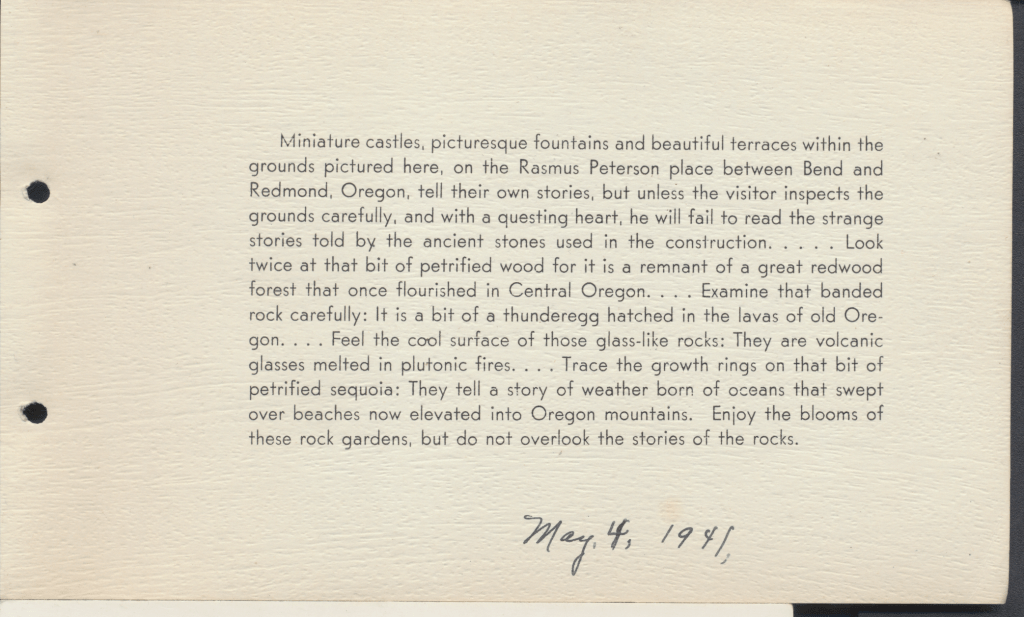
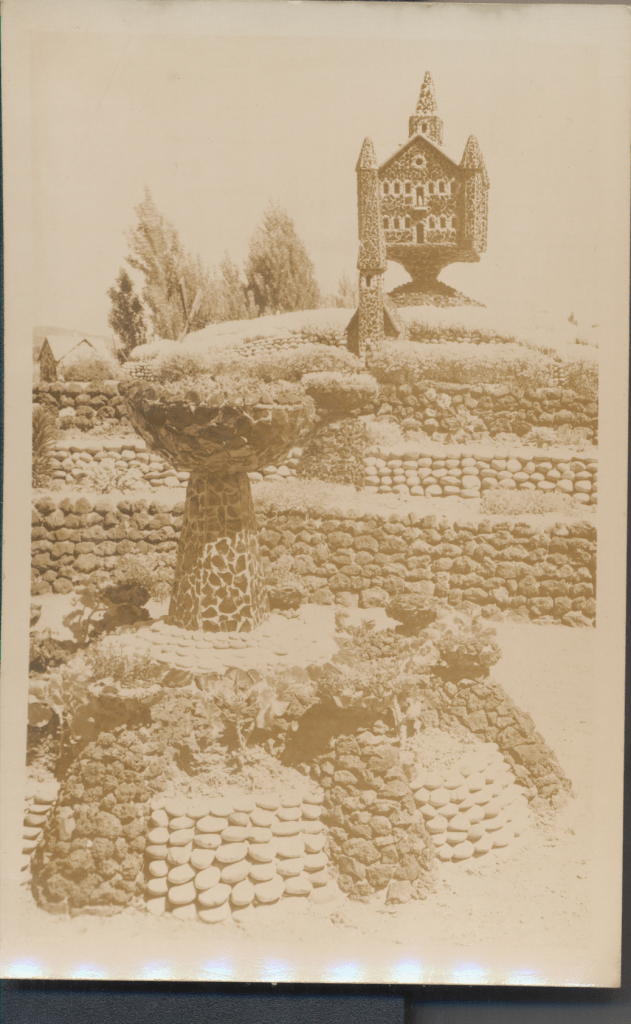
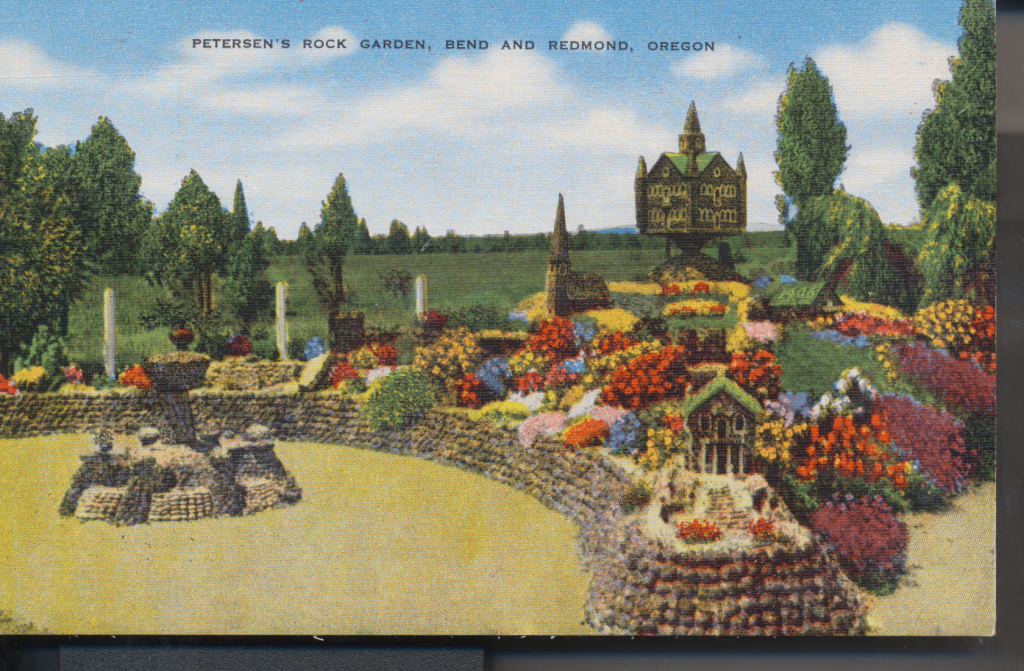
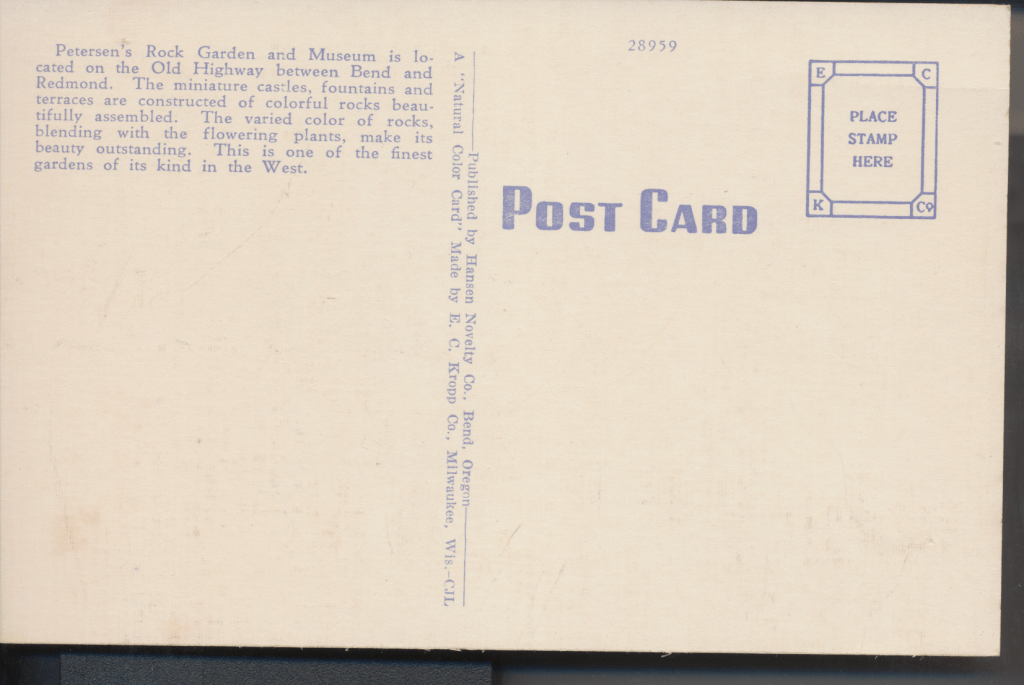
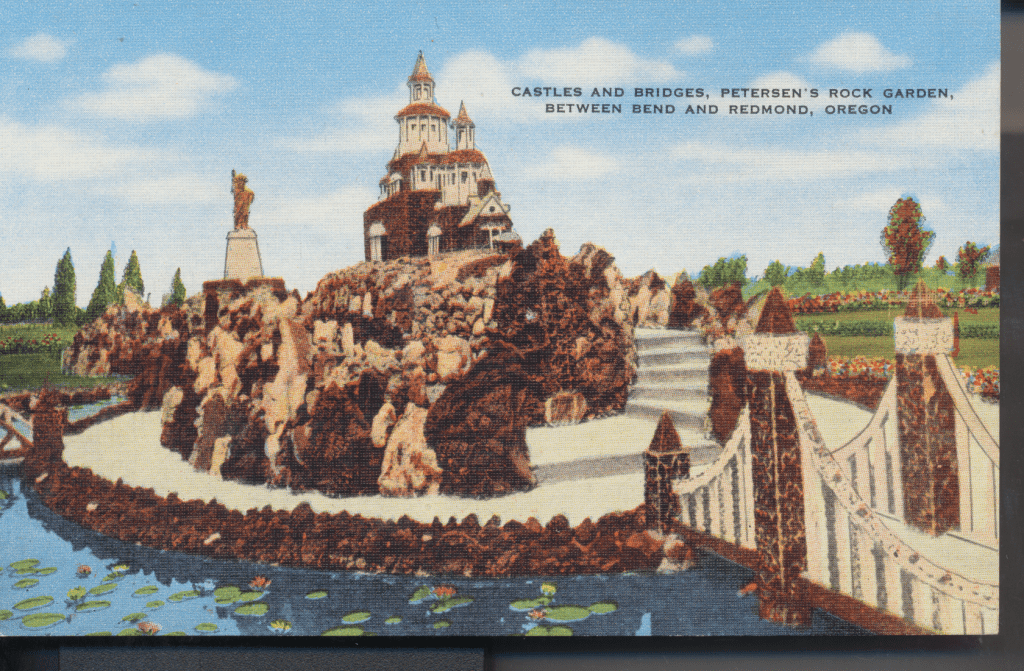
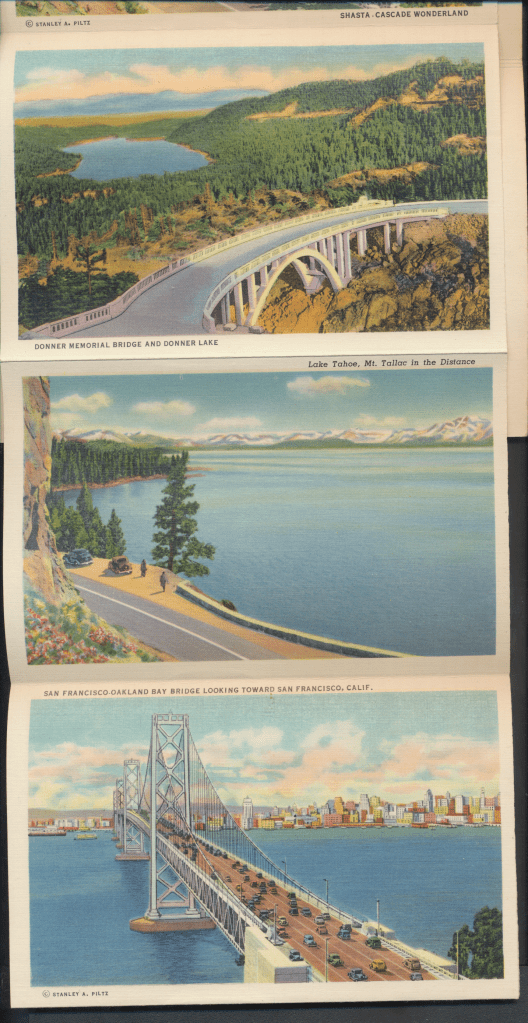
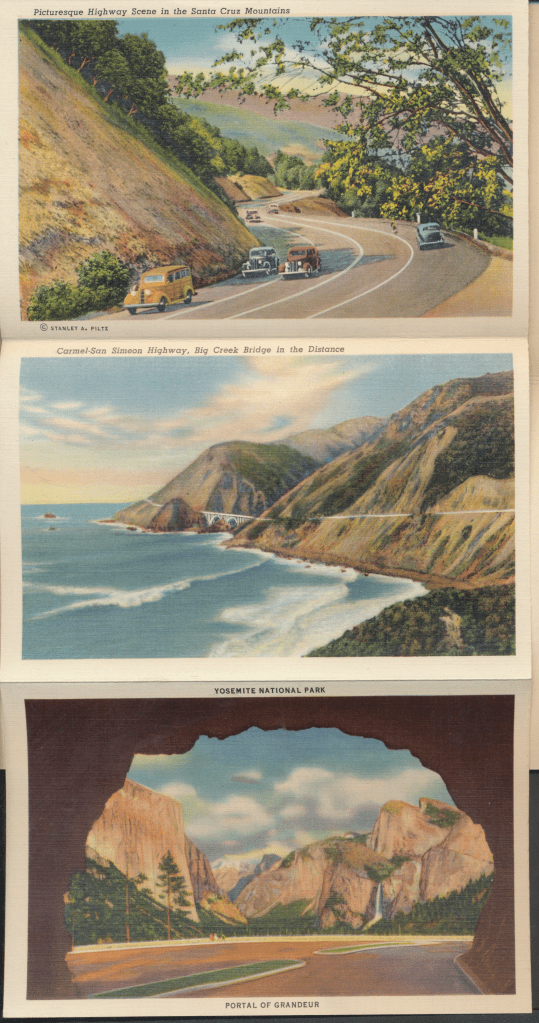
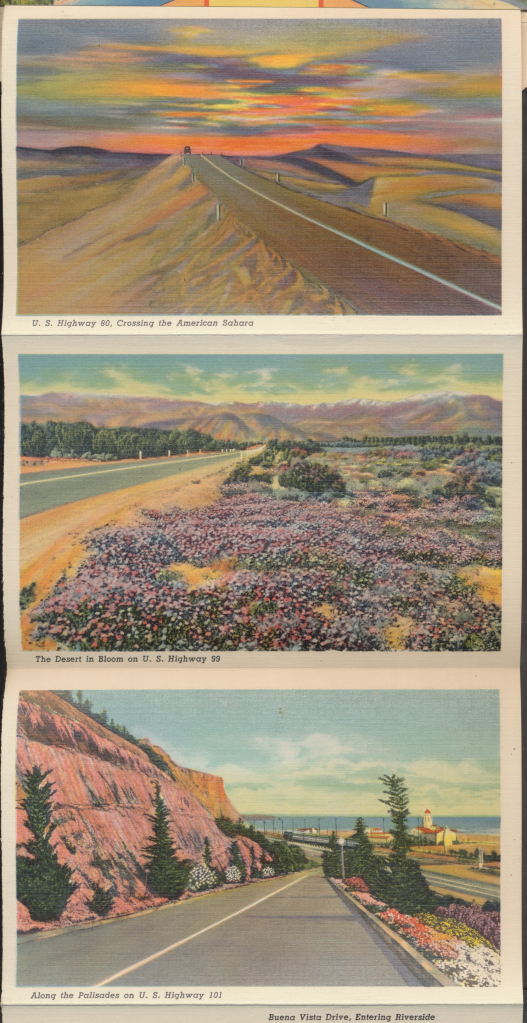
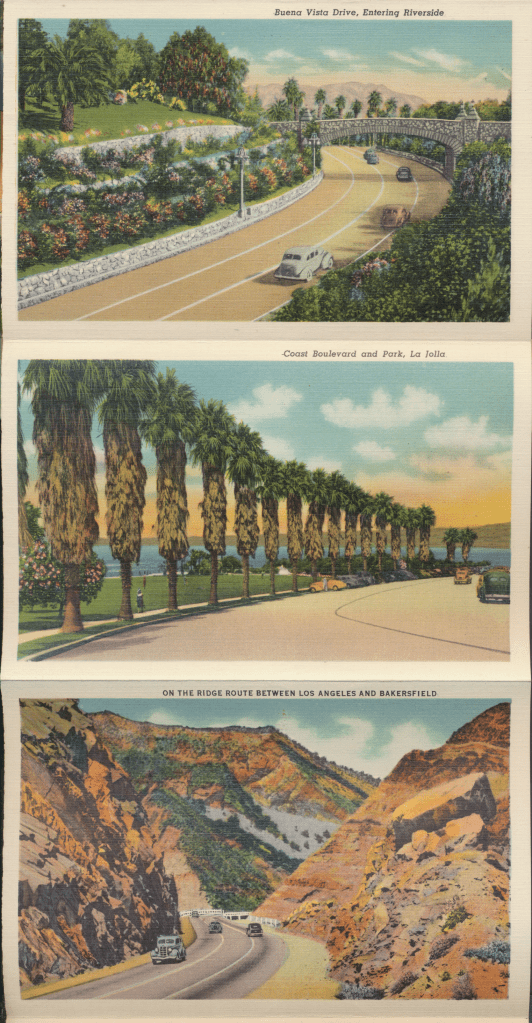
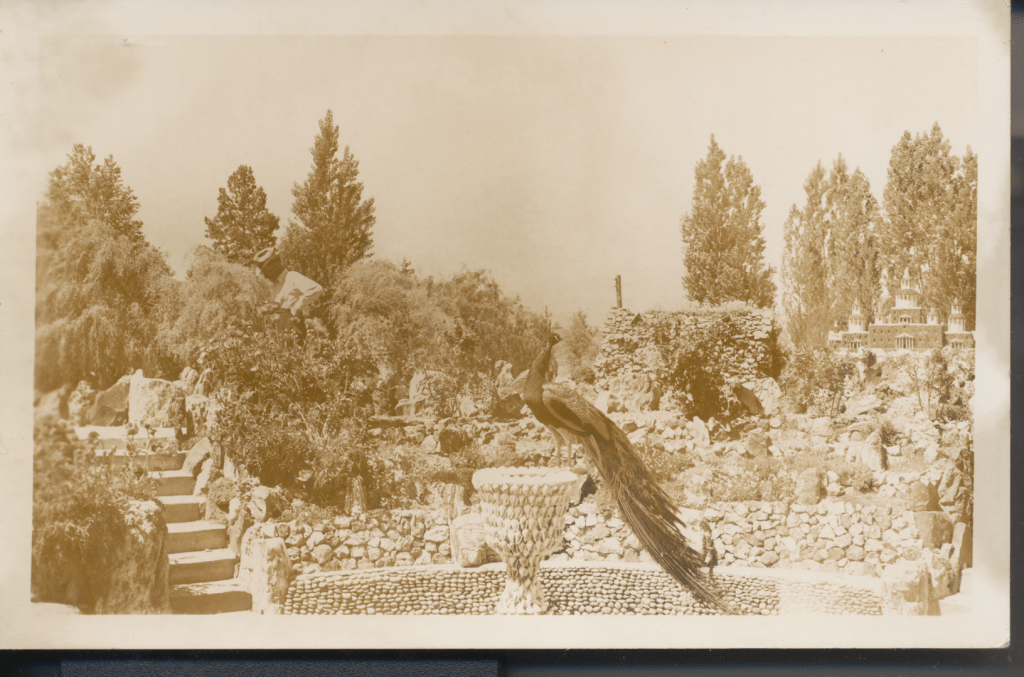
Petersen Rock Garden is the folk art vision of one man, and a tourist attraction that has survived far longer than its creator. It’s still open every day, with a museum, a gift shop, even postcards. Visitors are invited to wander the grounds until sunset.
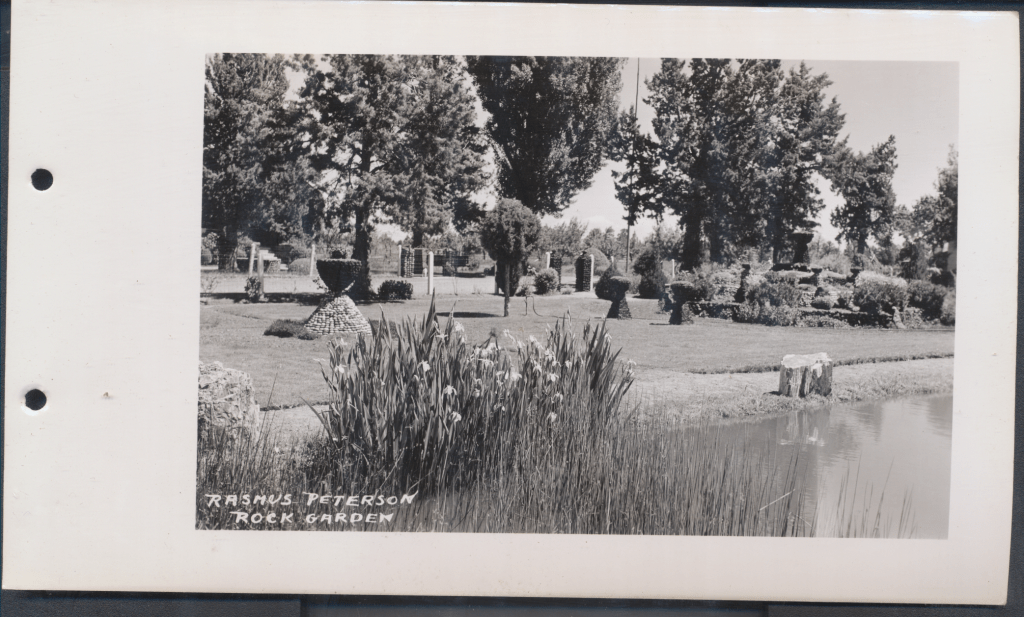
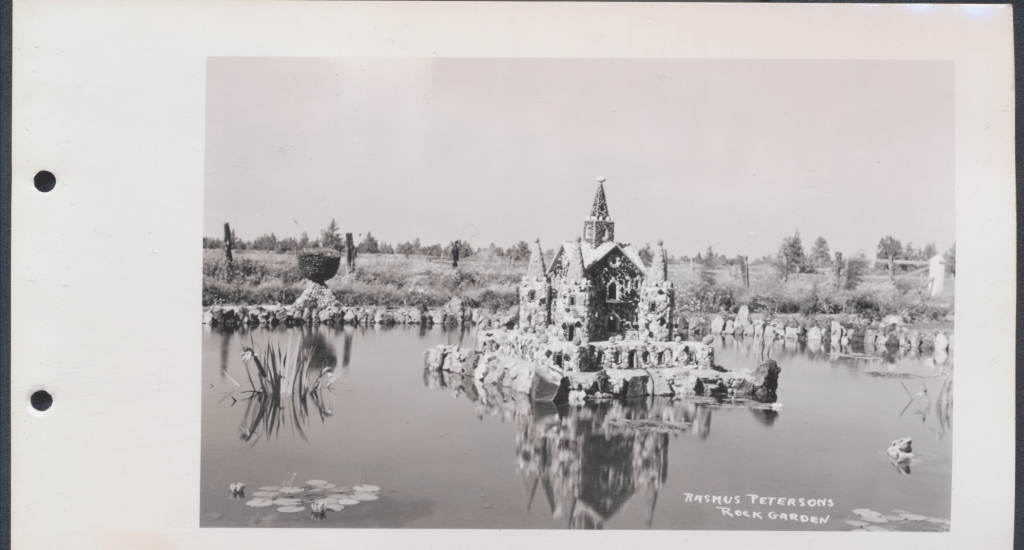
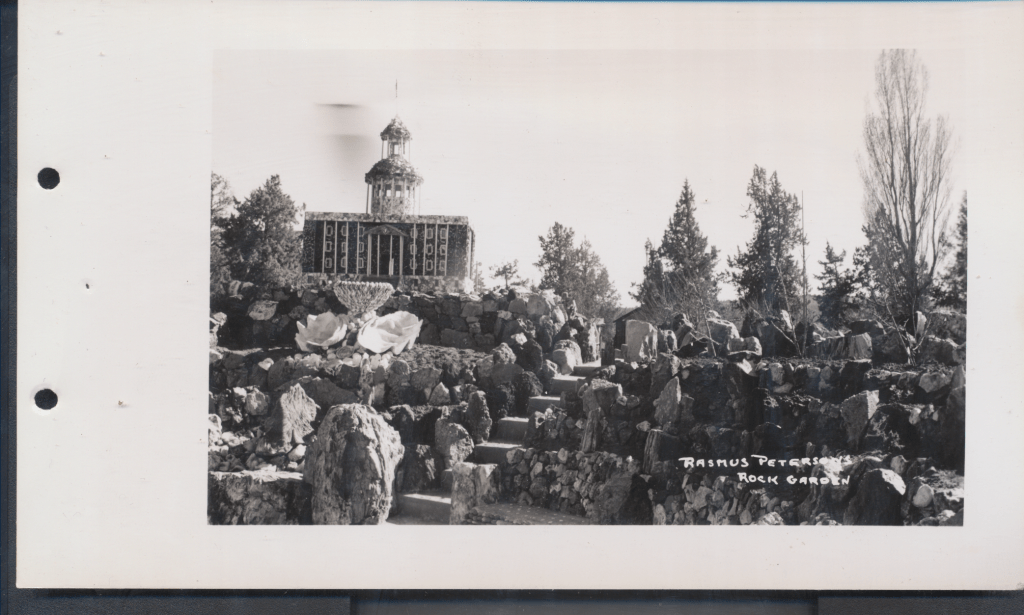
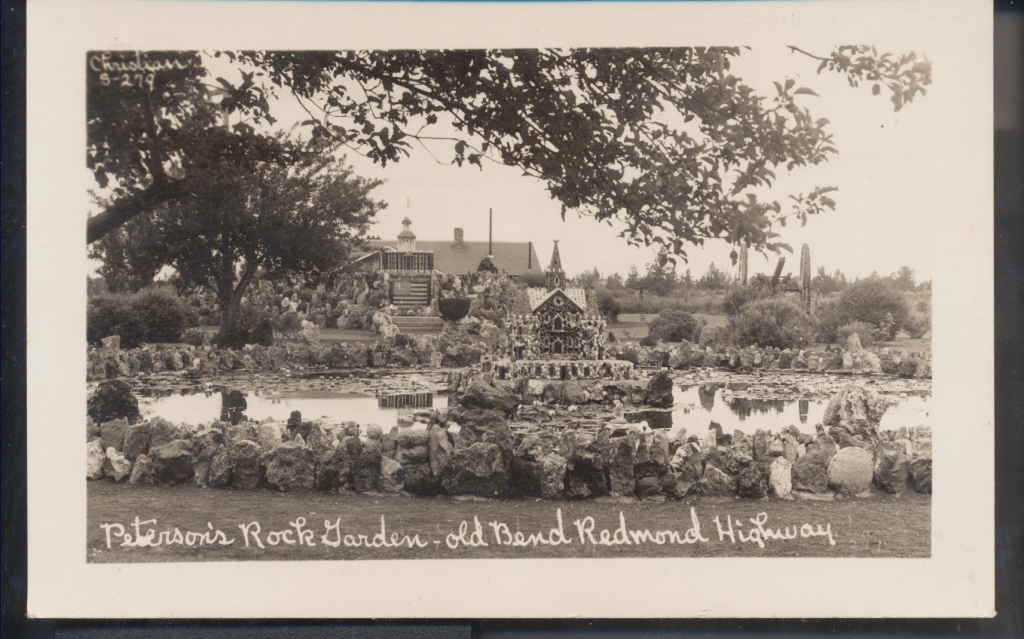
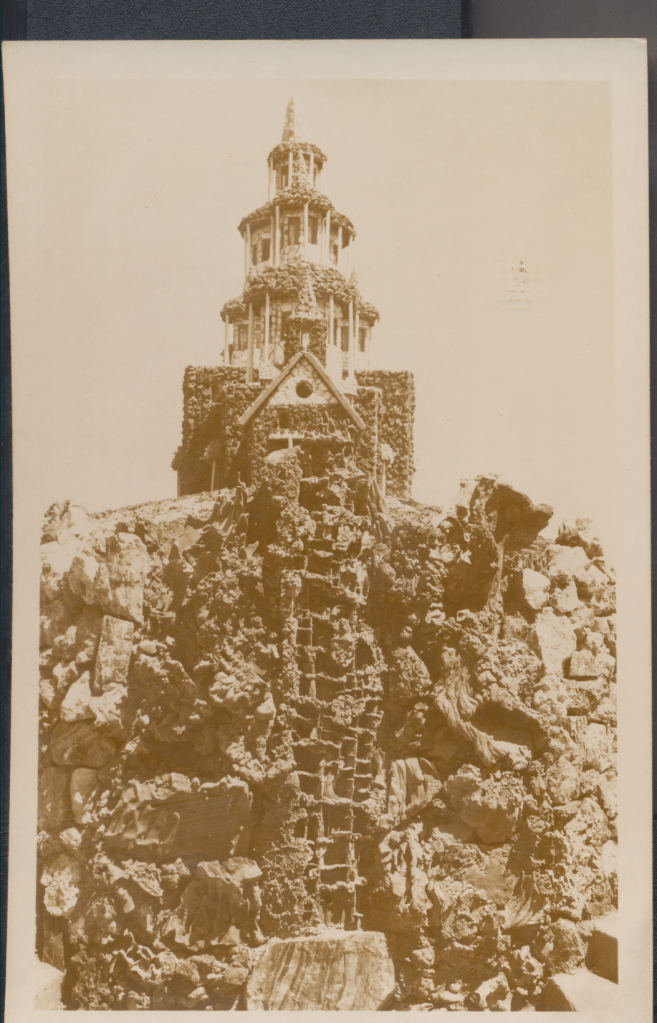
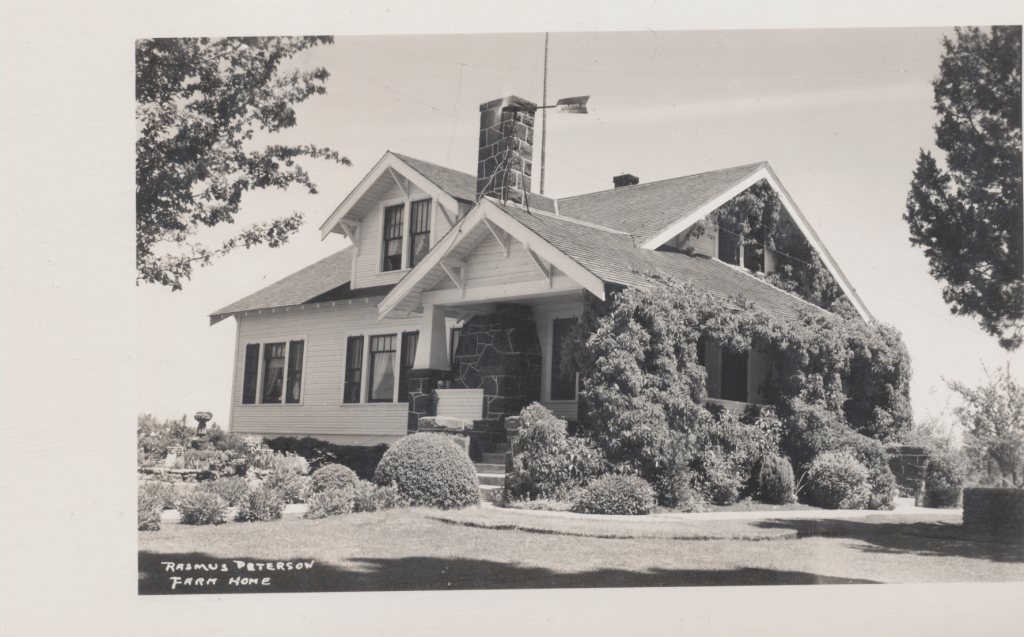
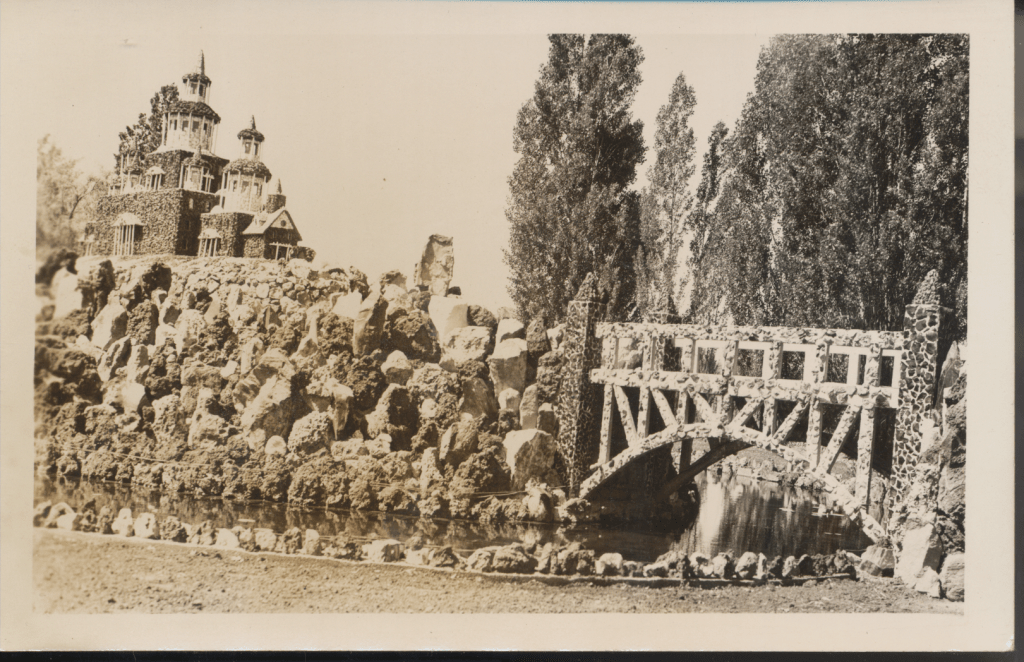
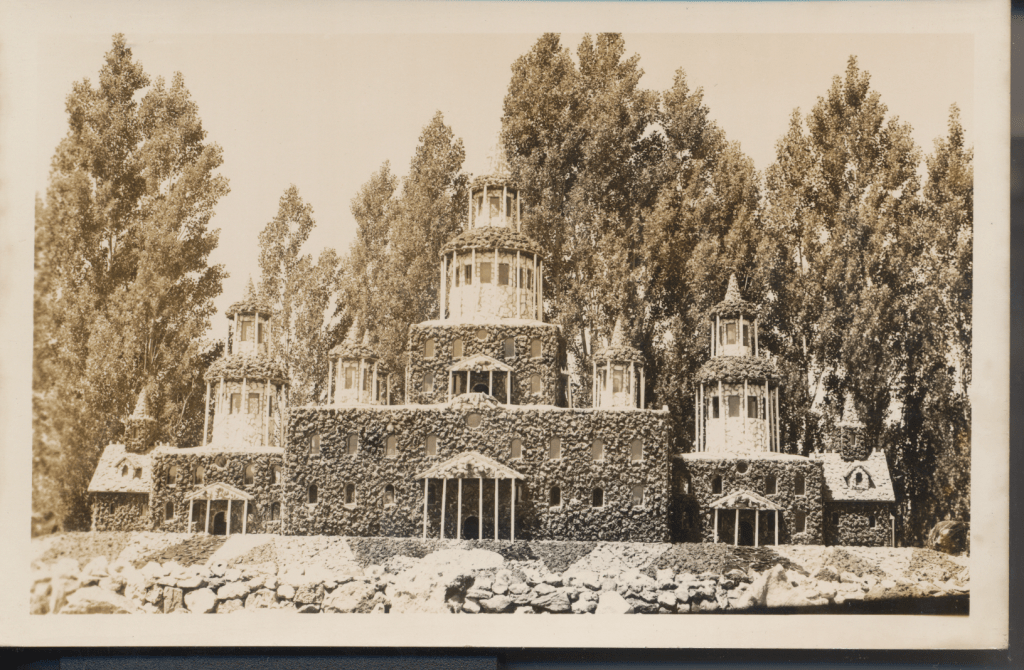
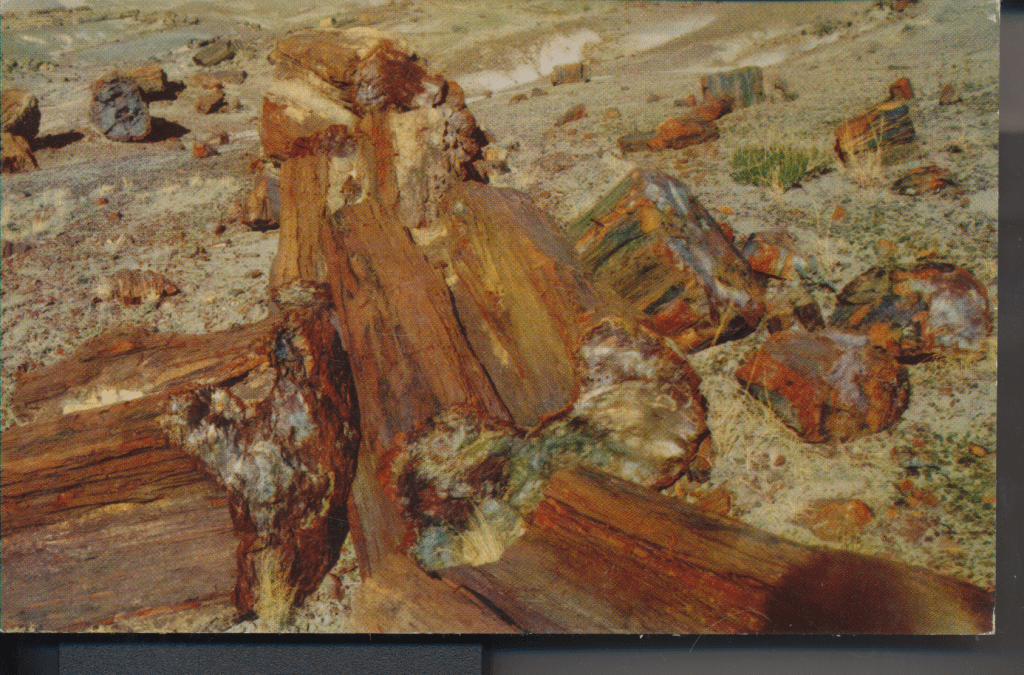
Born in Denmark, Rasmus Petersen (1883-1952) built his rock garden in the last 17 years of his life, in tribute to his adopted new country. He collected rocks, petrified wood, glass, and shells from around Redmond, and began building replica structures at the age of 52 — when most people start to slow down. His creative Dementia Concretia eventually yielded a scaled-down Statue of Liberty, a U.S. Capitol building, and an impressive Independence Hall — the first thing that visitors encounter when walking in from the parking lot. Monuments line landscaped paths, and three Tower Bridges cross ponds on Petersen’s four acres of property.
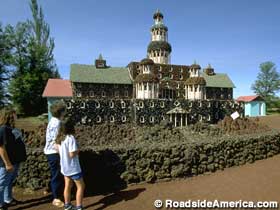
Inside the main building and museum, a fluorescent light room provides the expected glowing mineral thrills. Central Oregon is rich in rocks, and Petersen clearly loved his chosen building material.
The Garden is still owned and run by Petersen’s grandchildren, and in 2013 it was added to the National Register of Historic Places.
On our visit, we were especially struck by the squat Statue of Liberty, with its light bulb torch, atop a pedestal of rocks (it was the “Dreamers” chapter-opening photo in the first Roadside America book). A plaque in front of Liberty advises, we assume from the hand of the long-dead Petersen: “Enjoy Yourself. It Is Later Than You Think.”
Address:

7930 SW 77th St., Redmond, ORDirections:Midway between Bend and Redmond. From US 97 turn north on SW 61st St., then left on Young Ave. Cross Canal Blvd and then quickly turn right on SW 77th St. The Garden is less than a mile on the right.Hours:Call for hours. (Call to verify)Phone:541-382-5574RA Rates:Worth a Detour
Source: roadsideamerica.com/story/2962
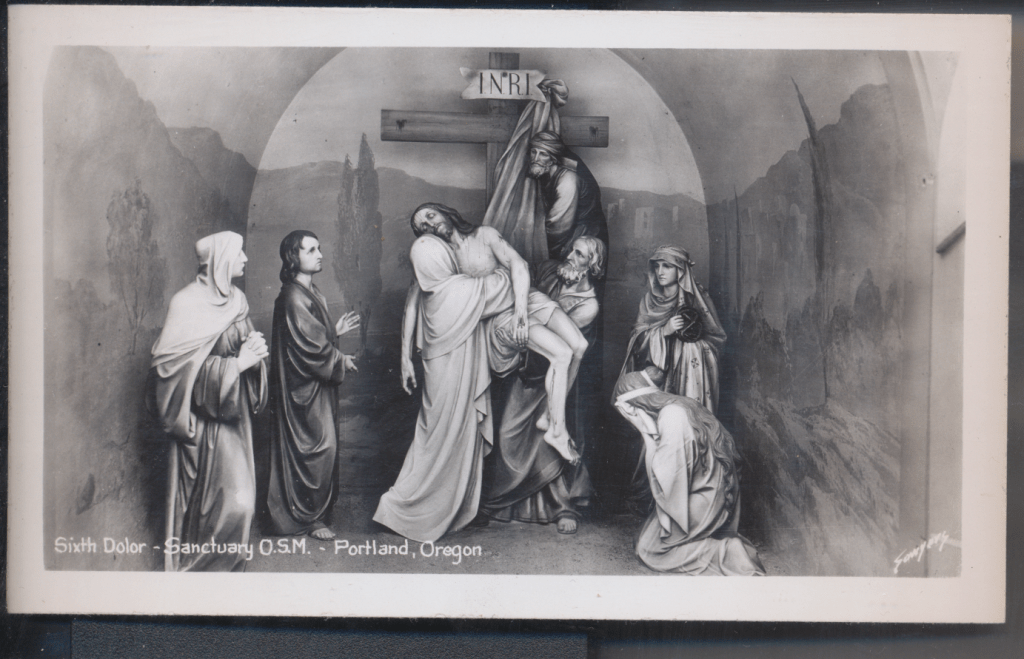


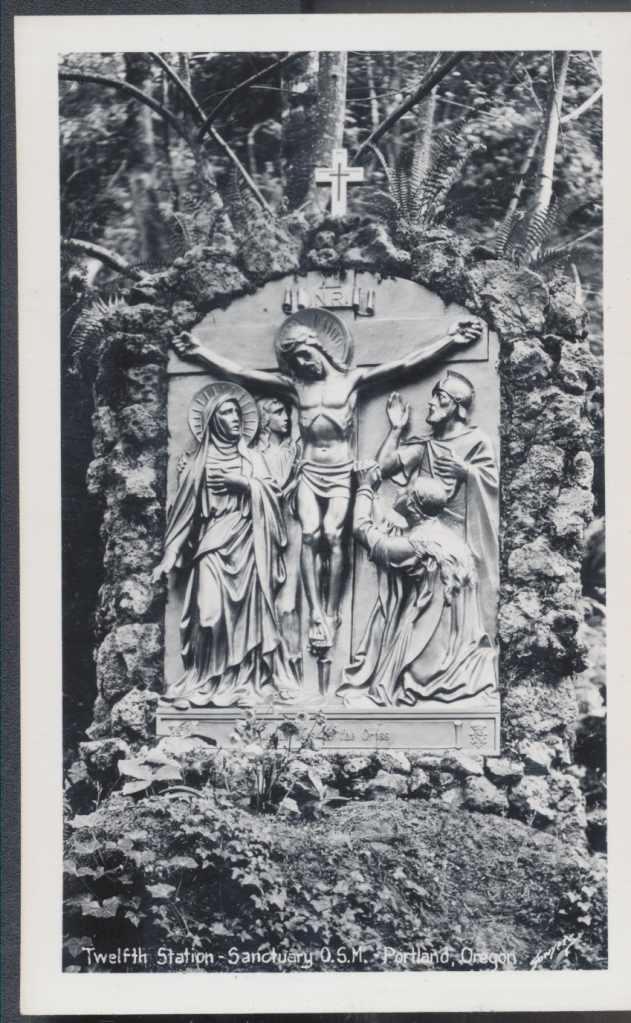
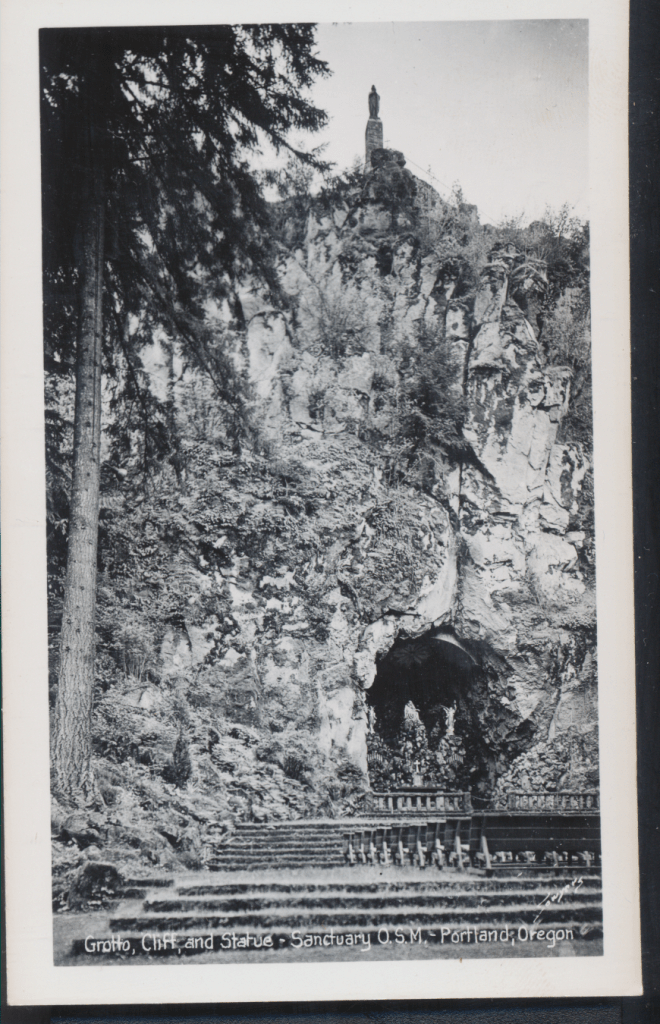
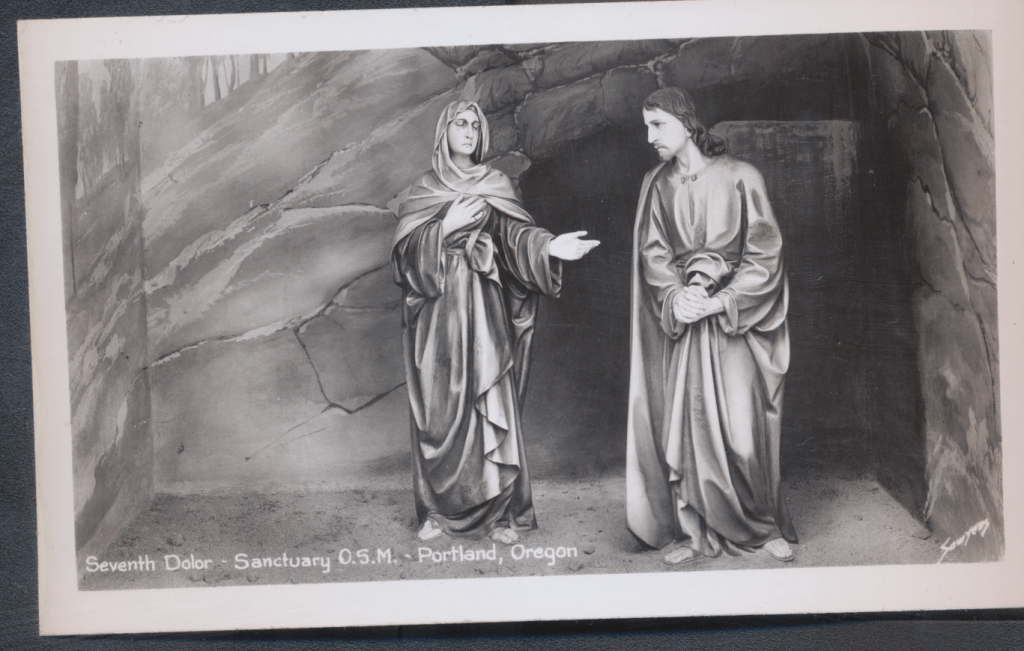
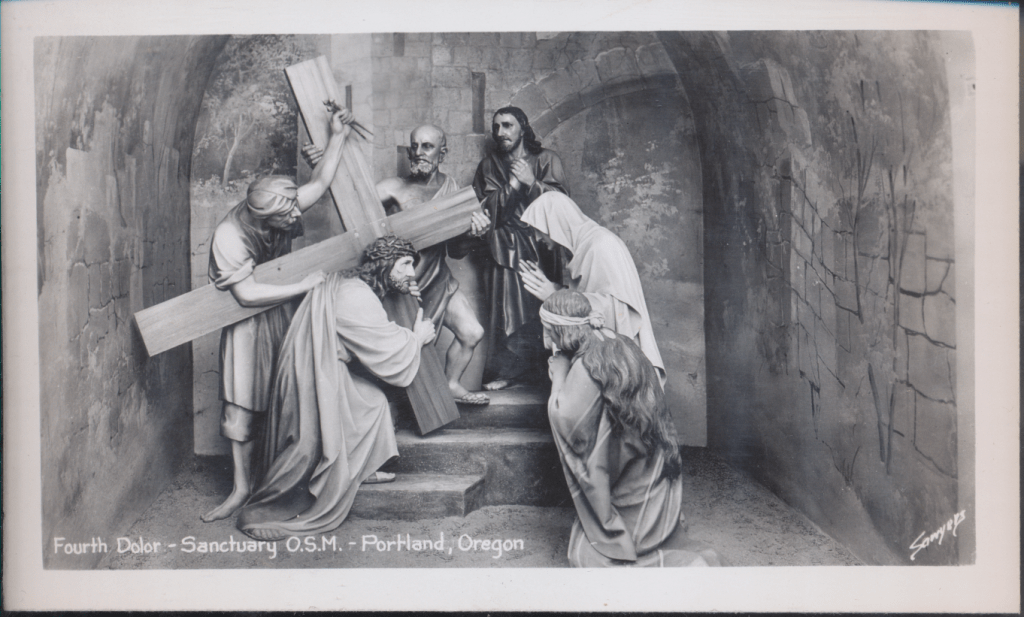

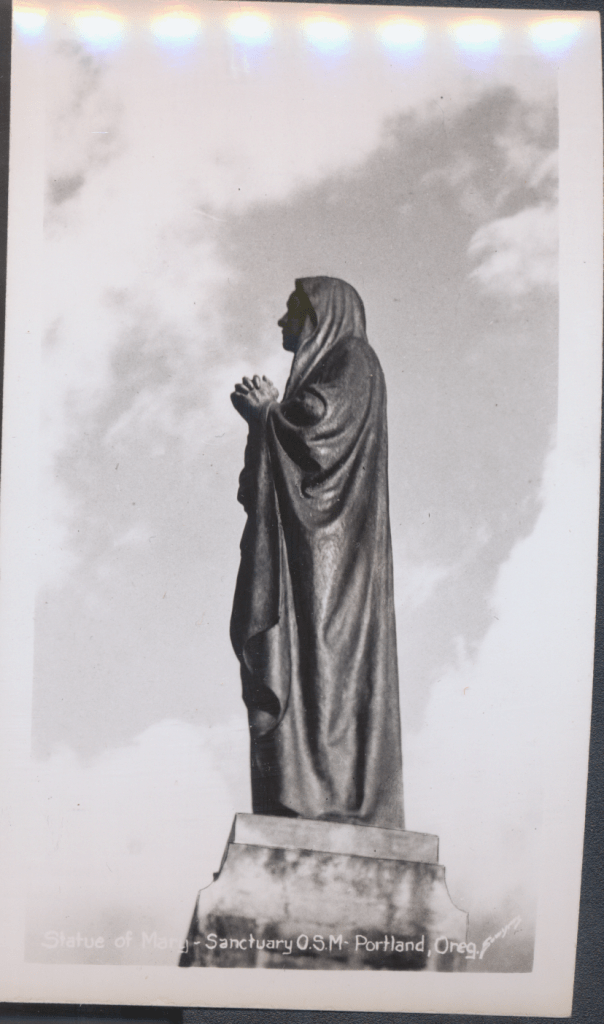
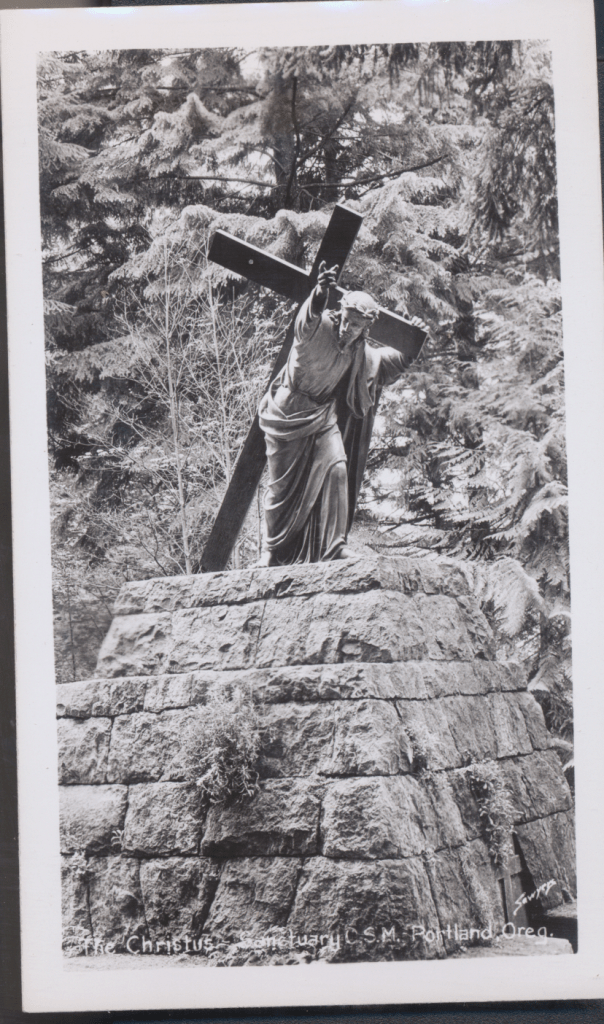
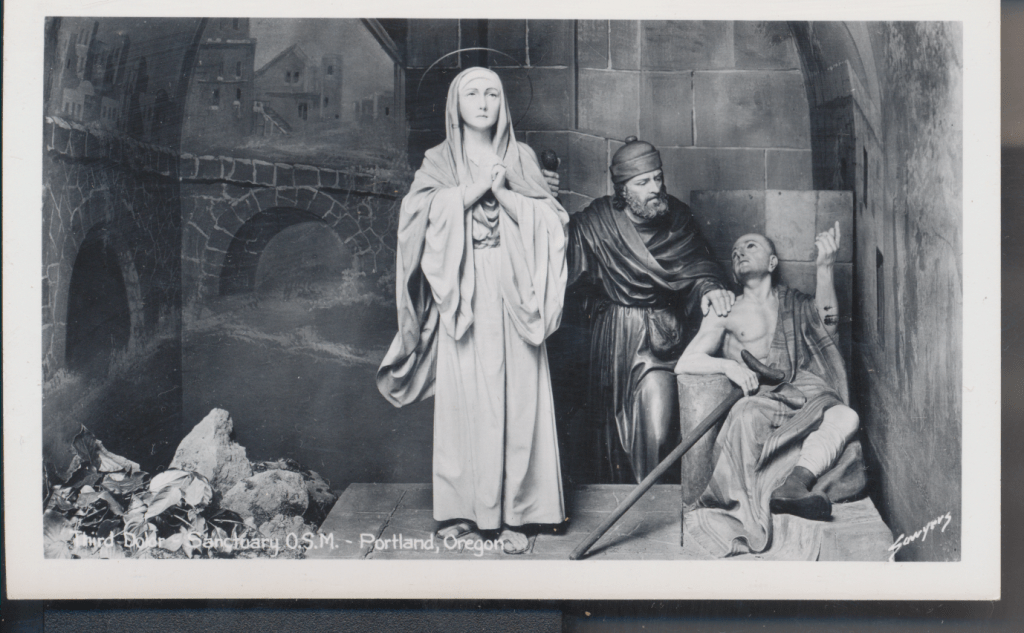
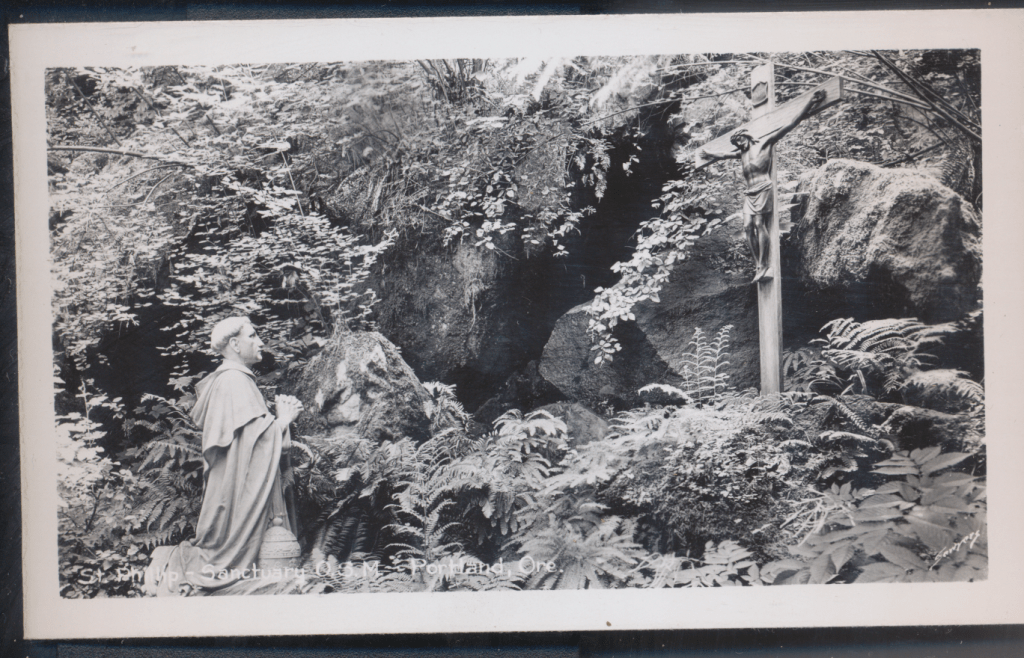
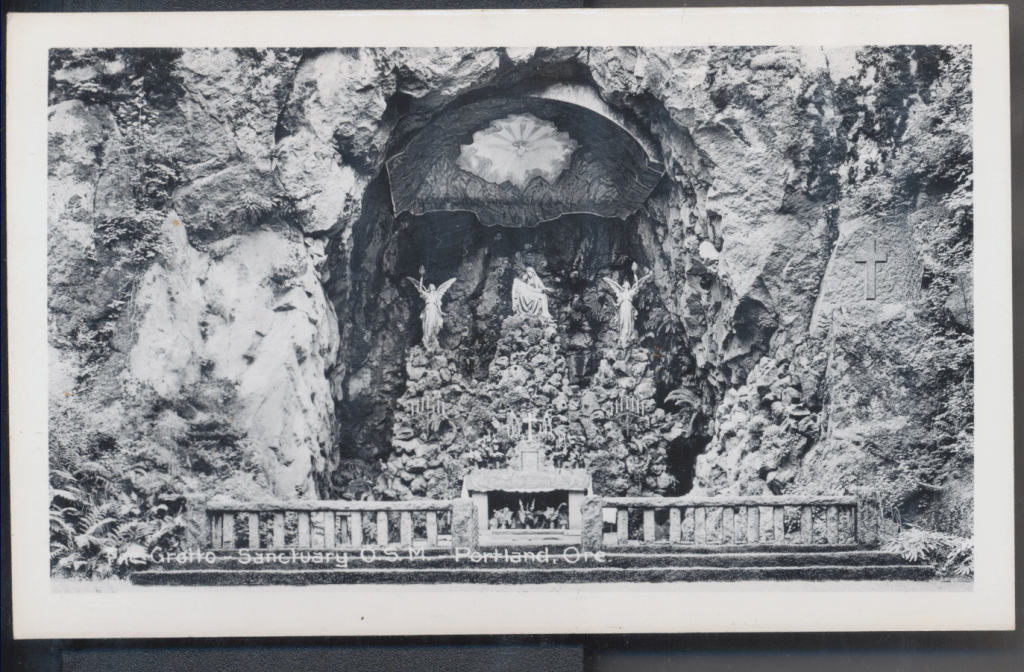
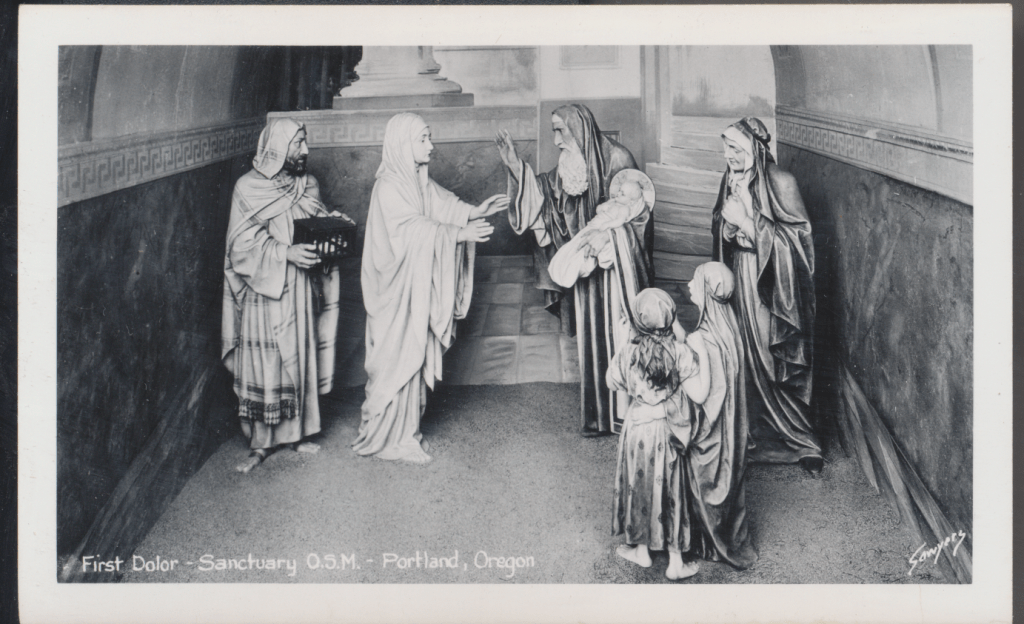
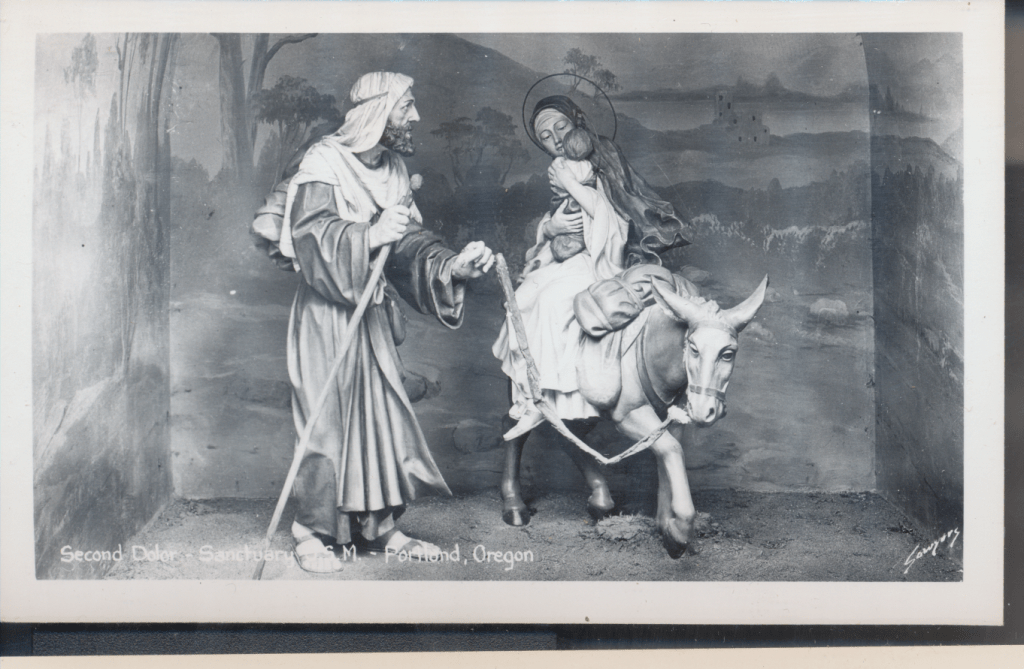
The National Sanctuary of our Sorrowful Mother, popularly known as The Grotto, is a Catholic outdoor shrine and sanctuary located in the Madison South district of Portland, Oregon, United States. Constructed in 1924, the sanctuary covers 62 acres (25 ha),[2] set both at the foot of, and atop, a 110 foot (34 m) cliff. It is a ministry of the Servite Friars, Order of Friar Servants of Mary. A large meditation hall whose main chamber is at clifftop level extends down to the foot of the cliff; the cross on the hill is visible many miles away. In addition to a church, there are several thousand feet of trails, including a trail of the Stations of the Cross, along which visitors may pass in contemplation through botanical gardens. The Grotto also features a full-service Conference Center, and a Gift Shop.
The Grotto was established in 1924 by Friar Ambrose Mayer, a native of Ontario, Canada, who was sent to the United States where he was a Servite pastor for the Archdiosese of Portland, Oregon.[3] Upon moving to Portland, Mayer found acreage located outside Northeast Portland that was at the time owned by the Union Pacific Railroad Company, and had been put up for sale to be developed into residential property. Mayer made a downpayment of $3,000 and purchased the property in 1923.[3][4]A national campaign raised the balance of the funds needed to pay for the land.[5]
Mayer envisioned The Grotto as a natural cathedral, and construction began in September 1923. A cave was carved out of the 110-foot basalt cliff, and a statue of Mary holding Jesus’s crucified body was installed.[3] Several years later, a marble recreation of Michelangelo‘s Pietà was also installed. Three thousand people gathered for the first mass at the Grotto on May 29, 1924.
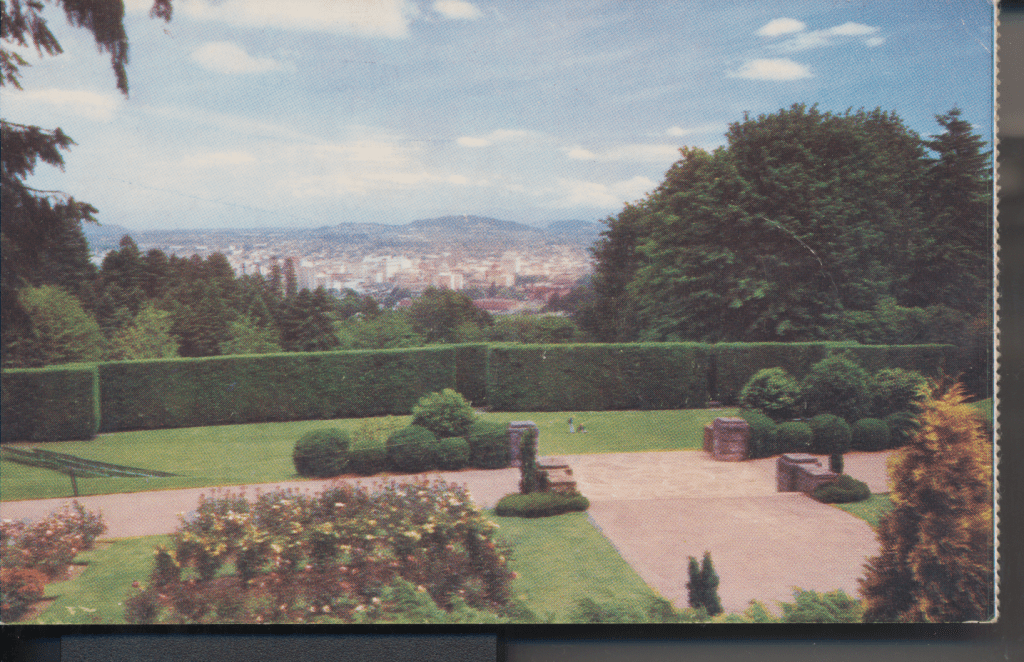
In 1955, the Chapel of Mary was dedicated on the grounds, and in 1983 the Grotto was designated as a National Sanctuary.[3] The grounds of the Grotto include 62 acres[6] of pathways, forest, and an upper-level botanical garden situated above the cliff, which are accessed through an elevator built against the cliff wall.[7] The upper botanical gardens also provide expansive views of the Columbia River Valley, the Cascade Mountains, and Mount Saint Helens.[8]
Source: https://en.wikipedia.org/wiki/The_Grotto

















 Angel Prairee